Posted on

Service Animals vs. Emotional Support Animals: A Comprehensive Guide

Understanding the Difference Between Service Animals and ESAs

Imagine walking into a crowded airport with your companion animal by your side. You’re calm and collected because you know your furry friend offers you the support you need. But as questions from strangers start pouring in—“Is that a service dog?” or “What’s the difference between an ESA and a service animal?”—you realize the world isn’t as informed about these distinctions as it should be.

This guide aims to provide a comprehensive breakdown of the differences between Emotional Support Animals (ESAs) and Service Animals. By the end of this article, you’ll not only understand their distinct roles but also their legal protections, training requirements, and how they serve individuals with disabilities.


What Are Service Animals?

Service animals are specially trained animals—usually dogs—that assist individuals with disabilities by performing specific tasks. These tasks are directly related to the person’s disability, such as guiding the visually impaired, alerting those who are deaf, or providing stability to those with mobility challenges.

Key Characteristics of Service Animals:

  • Training: Rigorous, task-specific training is essential. Can be completed by the handler. No “official” training is required by a “certified” trainer.
  • Legal Protections: Covered under the Americans with Disabilities Act (ADA) to go out in public with their handler. Covered under the Fair Housing Act (FHA) by the Housing and Urban Development (HUD) to live with you in your home with NO pet fees. Covered under the Air Carrier Access Act (ACAA) by the Department of Transportation (DOT) to travel with you with NO pet fees.
  • Behavior: Must exhibit impeccable behavior in public settings.
  • Species: Limited to dogs and, in some cases, miniature horses.

Examples of Tasks Service Animals Perform:

  • Guiding a person with visual impairments.
  • Detecting blood sugar levels in individuals with diabetes.
  • Interrupting self-harming behaviors in individuals with PTSD.

Legal Framework:

Under the ADA, service animals are not considered pets. Businesses can only ask two questions:

  1. Is the dog a service animal required because of a disability?
  2. What work or task has the dog been trained to perform?

What Are Emotional Support Animals (ESAs)?

Emotional Support Animals provide comfort and emotional relief to individuals with mental health conditions or emotional disorders. Unlike service animals, they do not require specialized training to perform specific tasks.

Key Characteristics of ESAs:

  • Purpose: Offer emotional support to alleviate symptoms of mental health conditions.
  • Legal Protections: Covered under the Fair Housing Act (FHA) by the Housing and Urban Development (HUD) to live with you in your home with NO pet fees).
  • Training: No specialized training is required.
  • Species: Can be any animal that provides comfort.

Benefits of ESAs:

  • Alleviate anxiety, depression, and loneliness.
  • Provide a sense of purpose and routine.

Legal Framework:

The FHA allows individuals with ESAs to live in housing that may otherwise prohibit pets. However, ESAs are not granted public access rights like service animals.

ESA dog snuggled in handlers lap

Key Differences Between Service Animals and ESAs

FeatureService AnimalsEmotional Support Animals
TrainingTask-specific training requiredNo training required
Legal ProtectionsADA, FHA, ACAAFHA
Public Access RightsFull access under the ADANo public access rights
SpeciesDogs and miniature horsesAny animal

Practical Tips for Acquiring a Service Animal or ESA

Steps to Obtain a Service Animal:

  1. Assess Your Needs: Determine if a service animal is necessary for your specific disability.
  2. Find a Reputable Organization/Breeder: You can purchase almost any dog and train them yourself. You can purchase a dog and have them trained by a service dog trainer. Or, you can seek a reputable non-profit service dog training organization that may be able to pair you with a dog.
  3. Understand Your Rights: Familiarize yourself with ADA protections (going out in public), the FHA (your housing rights), and the ACAA (your air travel rights).


Steps to Obtain an ESA:

  1. Consult a Mental Health Professional: Obtain a letter confirming the need for an ESA.
  2. Choose an Appropriate Animal: Select an animal that suits your lifestyle and emotional needs.
  3. Understand Housing Rights: Ensure your landlord is aware of FHA protections.


Frequently Asked Questions (FAQs)

1. Can my dog be both an ESA and a service animal?
Yes, a dog may be both; however, a service animal has more rights than an ESA so if your dog is qualified as a service dog, it doesn’t make much sense to also identify them as an ESA as they have more rights than the ESA designation.

2. Do I need to register my ESA?
No, it’s not required by law; however, it can often increase the chances that your ESA will be accommodated while out in public with helpful identification.

3. Can service animals be denied entry anywhere?
Service animals are allowed in most public spaces, but exceptions include areas where their presence would compromise safety or hygiene, such as certain hospital zones.

4. Are ESAs allowed on airplanes?
As of 2021, airlines are no longer required to accommodate ESAs under the ACAA for free. A handler may still be accommodated with their ESA provided they follow the airlines’ pet policies. However, service animals are still permitted for free.

5. How can I spot a fake service animal?
It’s almost impossible to spot a fake service dog because as long as the handler has a disability and the animal has been trained to perform a task related to the individual’s disability, it is a service dog. However, while working the dog should be well-behaved and focused while working. This doesn’t mean they cannot be happy while out in public, but they should not be distracted by sounds and activities around them, they should not excessively bark (unless it’s their assigned task to alert others and/or their handler), and should not poop or pee in an establishment.


Conclusion

Understanding the differences between service animals and emotional support animals is the first step in making informed decisions. If you’re ready to take the next step, explore our comprehensive guide to obtaining an ESA letter or connect with a licensed therapist today. Share this article with others who may benefit from learning more about this critical topic.

Posted on

How an ESA Letter for Your Pet Helps in Managing Anxiety

The number of people with anxiety has significantly increased in the United States, and each person copes with and treats their anxiety differently. If you’re searching for ways to help you with your anxiety, you might want to consider getting an ESA letter for your pet and registering them for emotional support animal certification. How can an ESA letter help with your anxiety? Keep reading to find out.

Official ESA Status for Your Pet

The primary purpose of an ESA letter is to give your pet official ESA status. This lets people know that your animal companion is more than a pet, and having an ESA gives you certain privileges, such as traveling with your ESA without paying pet fares and living with your ESA in any housing without paying pet fees. This allows you to keep the comforting presence of your pet at your side more often, helping you to manage your anxiety more consistently.

Reduce Worry about Pushback

Unfortunately, there’s still a certain stigma about emotional support animals. Many people view them as frivolous and unnecessary and may even think that you’re just claiming your pet is an emotional support animal to avoid additional fees or for the sake of convenience. For people with anxiety, the fear of encountering this pushback (especially when traveling with their ESA) can actually worsen their symptoms of anxiety.

Having an official letter with you can reduce these worries because you know that you have official evidence from a certified medical professional of your ESA’s importance in helping with your medical condition. When you’re able to produce an ESA letter from your doctor and an official certificate of your animal’s status, you won’t receive pushback, and you can continue on your way without additional anxiety about someone trying to separate you and your ESA.

Avoid Separation Anxiety

If you rely on your pet to help calm your feelings of anxiety, being separated from them can be very stressful. When traveling with a pet, you aren’t guaranteed that your pet will be in the cabin with you. They may be placed under the plane, and if they are with you, you likely will have to keep them in a carrier. This separation can cause a lot of stress for those already dealing with anxiety.

When you have an ESA letter, your pet is allowed to stay with you at all times. You no longer have to deal with prolonged feelings of separation anxiety if you and your pet aren’t permitted to be together while traveling; your pet will instead be considered an essential medical treatment for you, and you’ll be allowed to hold them in your lap when traveling.

Reduce Financial Stresses

Money can be a point of worry for anyone, but for those with serious anxiety, financial stress can significantly increase already existing symptoms. A large and sudden expense can cause someone who is managing their anxiety to experience a panic attack, for example. And this is precisely the kind of thing that happens when trying to travel with or live with an animal that is not an ESA. Airlines, apartments, and other entities frequently charge fees if you want to have an animal with you – if they allow it at all – and these expenses can put a lot of strain on you if your finances are already tight.

An ESA letter and certification require one-time fees that you can easily plan for. Then, you no longer have to worry about paying pet fare on airlines or pet fees for housing. This takes some strain off your finances, potentially removing a trigger for your anxiety.

If you want to register your pet as an ESA, contact the National Service Animal Registry. We can provide you with more information, help you with registration, and even help you find an emotional support animal vest for your newly minted ESA companion.

Posted on

Emotional Support Animal Myths Debunked – Find the Truth

Emotional support animal myths

Service animals are becoming a more common sight in society. Many people benefit from service animals for both practical and therapeutic reasons. For those who suffer from a range of debilitating conditions, service animals can help restore quality of life and provide peace of mind to those who use them. The Americans with Disabilities Act protects the rights of those who use service animals, and as a result of federal regulations, service animals are more accepted now than ever before.

However, that doesn’t mean there aren’t still myths, misconceptions, and inaccuracies present when it comes to service animals, the regulations that govern their usage, and the people who benefit from their service. Whether you have a service dog who performs specific tasks for you or an Emotional Support Dog (ESA dog) whose presence helps to mitigate the effects of psychological or emotional issues, you may encounter some of the following myths as you navigate the world with a service animal. Read on to learn more about some of the most common misconceptions pertaining to emotional support animal myths and discover the best ways to debunk them.

Myth 1: All Service Animals Are the Same

While it may be convenient to lump all service animals into one category, they actually fall into three distinct categories that are determined by the type of service they provide to their owners. Service dogs are canines that receive special training to perform tasks that their owners may not be able to complete themselves due to a specific disability.

Emotional support animals (ESA) aren’t trained to perform tasks but are instrumental in helping those who suffer from emotional and psychological conditions function in society. While not considered service dogs, ESAs can be legitimized with a letter from a licensed health care provider and ESA registration. Therapy dogs represent yet another class of service animal. They are similar to ESAs in the function they fulfill. However, instead of being assigned to a single owner, they are often used in group settings so that their benefits can be enjoyed by many people rather than a single owner.

Myth 2: Anyone Can Get an ESA

While it may be true that anyone can have a pet that brings emotional support and psychological benefits, that doesn’t necessarily mean that your dog or other animal qualifies as an ESA. For a pet to truly be formally considered as an ESA, a licensed mental health professional, such as a psychotherapist, psychiatrist, or licensed mental health social worker must determine that an ESA will benefit you. Once the determination is made, the care provider issues a letter to legitimize your ESA. Those letters must be renewed each year to remain valid.

Myth 3: Only Service Dog Owners are Protected from Discrimination

Numerous pieces of legislation protect the rights of those who must use ESAs from being barred from public transportation, housing opportunities, and public facilities. For example, the Fair Housing Act protects the rights of tenants to keep their ESAs even when the landlord has an explicit ‘No Pets’ policy. Not only that, there is no charge for keeping the ESA. Landlords may however request to see documentation like an ESA letter for housing that proves the tenant’s need for an ESA. This protects the landlord from being duped and tenants from being discriminated against.

Housing is likewise protected for those with ESAs by the Fair Housing Act, as landlords can’t discriminate against those with emotional support dogs and can’t charge additional fees for the animals. The Americans with Disabilities Act prohibits employers from discriminating on the basis of disability and are required to make reasonable accommodations for the disabled. Those clauses extend to those who use ESAs, and employers can’t use emotional support animals as a reason to discriminate against job candidates or employees. However, hotels and restaurants aren’t required to grant access to those with emotional support dogs, though they are required to do so with service dogs.

Myth 4: ESA Dog Rules Vary by State

Service dog and ESA rules aren’t set at the state level but are instead governed by federal law. While there may be state regulations in place that augment or enhance access for those who use service animals and ESAs, the core rights of those who use both categories of animals are protected at the federal level by legislation such as the Americans with Disabilities Act, the Fair Housing Act, and the Air Carriers Access Act.

If you think you could benefit from the use of a service animal or ESA, consider these myths when making an informed decision. To learn more about misconceptions surrounding service animals, visit the National Service Animal Registry.

Myth 5: Only Dogs Can be ESAs

Various domesticated animals, in addition to dogs, can qualify as emotional support animals. For example, ESAs can be cats, rabbits, ferrets, pigs, birds, and even miniature horses. An ESA should be well-mannered and not cause a nuisance to others. If your emotional support animal is a dog, it can be of any breed and size. However, this isn’t applicable to service animals since the ADA recognizes only dogs as service animals. It is important to note that an ESA is not considered a pet since it is essentially doing a job of providing you relief from your emotional disability through companionship.

Myth 6: All Emotional Support Animals are Service Animals

This is one of the common Emotional Support Animal myths. Emotional Support Animals are not service dogs. A service dog is specifically trained to perform certain tasks related to the disability of its handler. For example, a service dog can fetch medication and water, respond to seizures, pull a wheelchair, create a barrier between its handler and other people, interrupt self-harm, get help, act as a guide dog for the visually impaired, alert its handler, switch on lights, etc. But an ESA does not receive any formal training of this sort. The job of an ESA is to provide comfort and companionship to a person who is suffering from an emotional or psychiatric disability.

Myth 7: Anyone Can Get an ESA or a Service Animal

Typically, anyone who owns a pet draws emotional support and companionship from them. However, this does not make the pet an emotional support animal or service dog. To get an ESA or a service dog, you need intervention from a licensed mental health practitioner (LMHP). An LMHP will first evaluate your mental health to determine whether you need one. Not everyone with a disability will need an ESA or a service dog. The responsibility of caring for an animal may become overbearing for some people. If your LMHP feels that your treatment can be augmented with an ESA and if you already own a pet, they will also verify whether the animal can provide emotional support and psychological benefits in times of need. If everything checks out, you will be issued a legitimate ESA letter.

Myth 8: Airline Carriers Have to Allow You to Fly with Your ESA in the Cabin

Previously, both ESAs and service dogs were covered under the Air Carrier Access Act which meant handlers could fly with them in the cabin without charge. Many people started taking advantage of the system and brought along poorly trained animals with them which caused a lot of inconvenience for fellow passengers. So in 2021, the rules were changed to exclude ESAs who now have to travel in a carrier with or without an ESA letter. Only service dogs who are trained to perform tasks related to physical, psychiatric, sensory, intellectual, or mental disabilities can travel in the cabin. Since this rule has come into effect recently, there has been a lot of speculation over it, which is why it has become a common emotional support animal myth.

Myth 9: You Can Take Your ESA or Service Animal Anywhere

Although you can stay with your ESA or service animal in an accommodation that does not allow pets, the same may not be applicable to all public places or business facilities. For example, non-pet-friendly grocery stores, restaurants, etc. may not allow your ESA. However, this is not always the case with service animals. A service animal can accompany you to movie theatres, restaurants, schools, museums, etc. Covered entities are required to modify their policies to accommodate a service animal. That being said, businesses hold the right to exclude the animals from their premises if their presence jeopardizes the safety of others. For example, if a service animal is not housebroken or is out of control, businesses may ask the handler to remove it from the facility. Hospitals may not allow such animals in the operating room, etc.

Myth 10: You Cannot Get a Legitimate ESA Letter Online

While being a common emotional support animal myth, it cannot be any further from the truth. The basis of this myth is the rising number of fraudulent companies that scam people with fake ESA letters. This is why it is important to be cautious. One of the ways to identify the legitimacy of an ESA letter is through the intervention of an LMHP.

National Service Animal Registry provides a platform to order legitimate ESA letters. Once the order is placed, you will need to answer a set of questions. Based on your answers and your zip code, an LMHP will be assigned to you who will diagnose your condition and determine whether an ESA is necessary. If approved, an ESA letter will be provided to you on the official letterhead of the LMHP. Get your ESA letter today.

If you think you could benefit from the use of a service animal or ESA, consider these myths when making an informed decision. To learn more about misconceptions surrounding service animals, visit the National Service Animal Registry.

Posted on

Emotional Support Dog Vests: All You Need to Know

If you have ever seen an emotional support animal or service dog, they have likely been wearing a vest that states their status as a working animal. Service dog or emotional support animal vests are not required by law, but they can be beneficial to have. Read on to learn more about emotional support dog and service dog vests, how to measure your dog for one, and what to consider when purchasing one.

Are Vests Required for Emotional Support Dogs or Service Animals?

The law does not require emotional support dogs to wear vests. However, they are very helpful to have, and most experts recommend them. Vests make your dog easily recognizable as an emotional support animal or service animal. This can cut down on a lot of confusion and stress when you are entering public locations or traveling with your dog. Without a clear marker of your dog’s status, you may be met with resistance when trying to make your way through the world with your dog. With an ESA or service dog vest, however, everyone will be able to tell that your dog is an emotional support animal or service dog and should not be treated as an average pet.

Measuring Your Dog

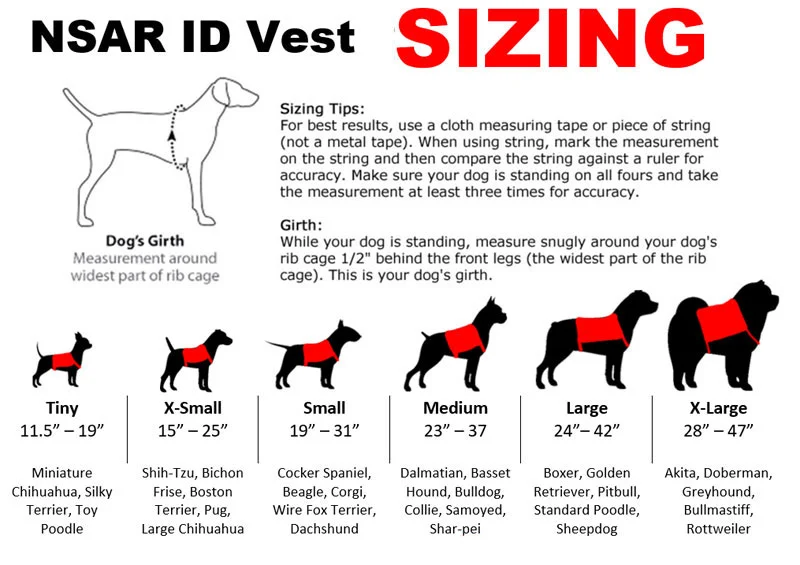
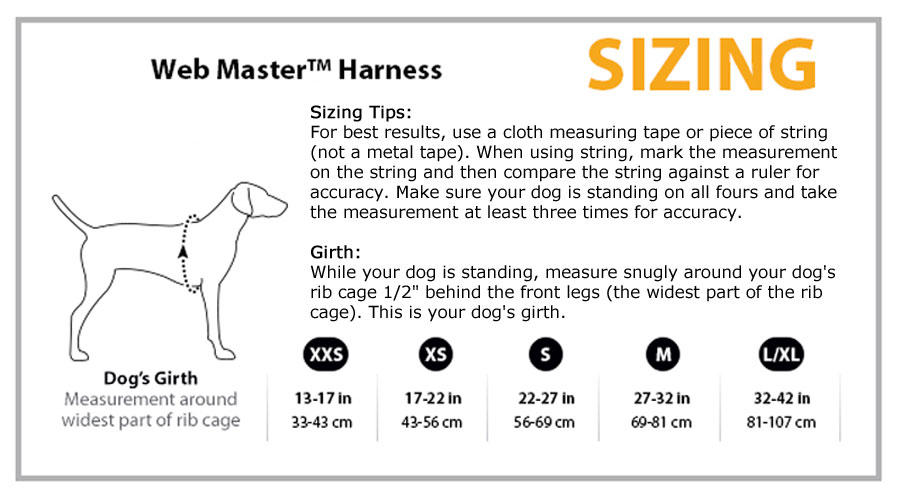
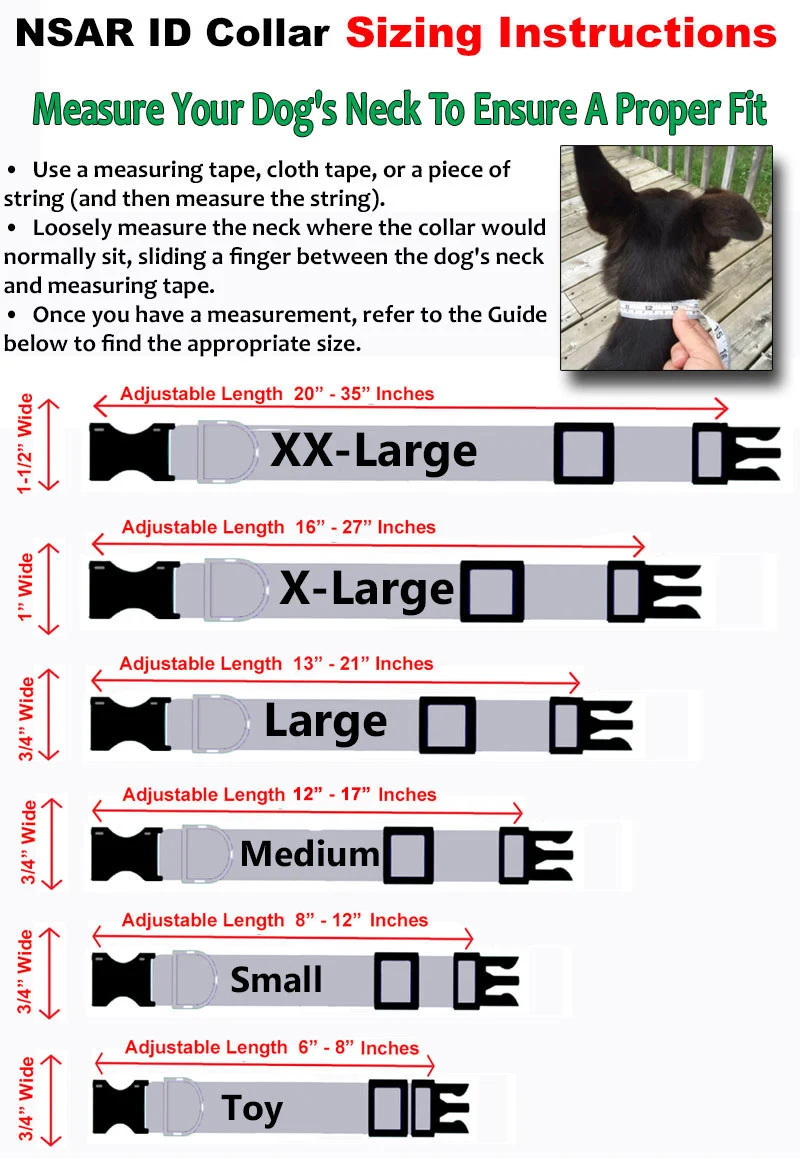
Before you start searching for emotional support dog vests, you will need to measure your dog. This is to ensure that you get the right size vest for your dog. If the vest is too large, your dog will be able to slip right out of it. If it’s too small, it could dig into your dog’s body and hurt them. To measure your pup, you will need a flexible measuring tape. Wrap the measuring tape around the widest part of his or her rib cage. Usually, vests are adjustable and can be worn by dogs in a range of sizes. Use their measurement and the sizing chart provided by the manufacturer to see what size is best for your dog.

Material

Vests for emotional support animals or service dogs are available in a range of different fabrics. Different materials are better suited for different climates. For service dogs in hot and humid areas, a mesh vest is ideal. For other areas, vests made of cotton and other breathable materials are the best choice. Try to avoid synthetic materials as they may be uncomfortable for your dog.

Vest Style

There are four main types of service dog vests for sale. They include:

  • Mesh Vests: This type is ideal for ESAs in warm climates.
  • Lightweight Cotton Vests: This is a standard vest that is suitable for all temperatures. Some of them come with pockets and ID tag holders.
  • Padded Vests: These vests are heavier and better for being outdoors in the cold weather. They will often have handles on them to provide more control.
  • Backpack Vests: If you need to carry a lot of things, consider getting a backpack vest for your dog. This style has pockets designed for this purpose.

Patches

The vest must also have the right patches on it so your dog can easily be identified when out in public. The patch should denote your dog as an emotional support animal or service dog. This way, people will not perceive your dog as a pet but rather a working dog, and they will be less likely to try to pet them. You may also want to put something on the vest that says “Do Not Pet” or “Working Dog.” Some people may not know what an ESA is and may try to pet your dog anyway; with an additional sign, they will know not to distract your dog.

Reach out to us at the National Service Animal Registry to learn more about buying a vest for your service animal.

Posted on

Are Emotional Support Animals Allowed in Restaurants?

Are Emotional Support Animals allowed

Emotional support animals are a great help to their owners; their job is to provide comfort to their owners and make living with a mental health condition easier. These pets are prescribed by a licensed mental health professional and, usually, have been added to an ESA registration list. Thanks to federal laws, people are not allowed to deny you housing or prevent you from flying with an ESA. But can you bring your pet with you to other public places, such as restaurants? Keep reading to learn more.

Are Emotional Support Animals Allowed in Restaurants?

The simple answer is that it depends. Unlike service dogs who are allowed to go anywhere with their owner, ESAs are only allowed to go into stores and restaurants that have pet-friendly policies. Service dogs have been trained to perform a specific task to help those with physical and mental disabilities. They are also protected by the Americans with Disabilities Act (ADA), whereas emotional support animals are not.

But this doesn’t mean that you can’t bring your ESA with you when you go out to eat. Stores and restaurants set their own policies on whether or not to allow animals into their establishments. Do some research to find a pet-friendly restaurant before you go out. Call ahead and ask about their policy on emotional service animals. Additionally, some states have their own laws and regulations about bringing ESAs to public locations. Check your local laws to see if you are prohibited from bringing a support animal to a restaurant.

Being Considerate in Public Spaces

If you are allowed to bring your ESA into a restaurant, it’s crucial that you are both considerate of the restaurant owners and other guests. It is thoughtful to call in advance to ask about their policies, but also to let them know when you plan to go out to eat. This will let them make any necessary arrangements before you arrive, so both you and the other guests will be comfortable.

Additionally, you should train your pet to behave in public when they are around other people and exciting stimuli-like plates of food. Since ESAs aren’t required to undergo any special training, it’s up to you to teach your pet to be well-behaved. A trained pet has a better chance of being allowed in a restaurant over a badly behaved one. It also helps to visibly identify your dog as an ESA by putting a vest or collar on it and have the proper registration and documentation with you to validate your claim.

Getting the Right Documentation

Though they may not ask for proof outright, it is often helpful to carry your ESA’s documentation with you while in public. With this information, you can further validate your claim that your emotional support animal should be allowed to accompany you into the restaurant. Be sure to have an official letter from your licensed therapist, psychiatrist, or psychologist, as well as any registration documents. This will make it easier to gain access to restaurants, stores, hotels, and other public places when you’re with your ESA.

To learn more about emotional support dog certification and how to bring your ESA with you in public, visit the National Service Animal Registry.

FAQs About Emotional Support Dogs & Other Animals in Restaurants

When Are Emotional Support Animals Allowed in Restaurants?

Compared to service dogs, Emotional Support Animals have very few legal rights when it comes to taking them out in public places. For example, a restaurant is not legally required to allow an emotional support animal if they have a ‘No Pets’ policy. But a service dog, on the other hand, is allowed everywhere. The only instance when an emotional support dog can be allowed in a restaurant is when you have an official letter from your therapist mentioning that the ESA is a part of your treatment for anxiety, depression, panic attack, or any other psychological or emotional disorder. 
Naturally, confrontations are commonplace in restaurants and other public places when your ESA accompanies you. The good news is you can avoid such situations by ordering an ESA letter and a registration kit from us. We provide these kits for your companion cat, dog, bird, miniature horse, rabbit, ferret, etc. These will serve as the necessary documentation that you can produce to the restaurant owner when they ask you about your four (or two)-legged companion.

Can a Restaurant Ask for Proof of Service Dog?

Yes. When you walk into a restaurant with your service dog, the owner can ask you the following two questions in accordance with ADA laws:

  1. Is the service dog trained to aid a disability?
  2. What tasks can the service dog perform?

According to the ADA, a restaurant has to make necessary modifications to allow a service dog in the establishment. Some restaurants abuse these laws and ask unnecessary questions which causes a lot of harassment for handlers. Keep in mind that a restaurant staff or owner cannot ask the following questions:

  • Are you disabled?
  • What is your disability?
  • What is your identification?
  • Where was your dog trained?

A restaurant owner also cannot ask you to make the dog demonstrate its tasks. If you feel that a restaurant is being discriminatory, you can report the incident to the ADA. This will result in a hefty fine for the owner.

However, the rules are different for an emotional support animal. It is not a compulsion for a restaurant to allow an ESA. They may ask to see a letter from your therapist exclusively stating that the ESA has been prescribed for the treatment of your disability.

Do Restaurants Still Have to Allow Service Animals If they Have a “No Pets” Policy?

A service animal is not a pet. According to the rules stipulated by the ADA, a service dog must be allowed to accompany the handler to all areas of the facility where all customers are allowed to go. A person with a service animal should be treated the same way as any other customer. This means that restaurants with a ‘No Pets’ policy will need to make an exception for service animals.

But are ESA dogs allowed in restaurants with a ‘No pet’ policy? Yes. But if you do not have the right documentation, the decision will be at the restaurant’s discretion.

Should Service Animals and Emotional Support Dogs be Allowed to Eat at Restaurant Tables?

While your service animal or ESA can be allowed to accompany you to a restaurant, they are not permitted to eat off the table. Restaurant seating, food, and drinks are usually for customers only. 

It’s important to realize that neither an ESA nor a service dog is a pet. They are employed to do a job that they have received training for, which is why we need to maintain stricter regulations with them than we would with a regular pet. That being said, eating from the table is unsafe for dogs because it can cause severe digestive problems since human food is not meant for them. It can also lead to negative behavioral problems.

What Can I Do If an ESA or a Service Animal Bothers Another Customer?

An ESA or a service dog is the sole responsibility of its handler. When it is exhibiting disruptive behavior in a restaurant like growling and barking at other customers or being aggressive to them, staff can ask the handler to bring the animal under control. If the animal continues to be disruptive, the handler can be asked to remove the animal from the facility. That being said, the handler should be given the option to continue enjoying their food without the animal or return to the restaurant without it.

The ESA or the service dog can return to the restaurant unless they are being disruptive again. However, extreme situations like biting or attacking staff or customers can warrant a permanent or temporary ban for the animal.

Can Restaurants Charge a Maintenance or Cleaning Fee for Service Animals?

No. As per the ADA rules, you cannot be charged a maintenance or cleaning fee or a surcharge for bringing your emotional support dog in a restaurant. However, a restaurant can charge a fee if the service animal or the ESA causes damage to the restaurant’s property. This will only be applicable if the same policy applies to other non-disabled customers. It is important to know your rights when you bring a service dog or an emotional support animal with you to any public place. This will prevent unnecessary hassles for you and your companion.

Know the Difference Between Service Dogs and Emotional Support Animals

An Emotional Support Animal (ESA) is neither a regular pet nor a service animal. A service dog not only provides companionship but can also perform necessary tasks like preventing panic attacks, bringing medicine and water, pulling a wheelchair, calming a person with post-traumatic stress disorder (PTSD), etc. While a service dog, which is covered under the ADA, can be taken anywhere – in restaurants, stores, public transportation, etc., a regular pet cannot. This answers the common question of whether service dogs are allowed in restaurants.
But are ESAs allowed in restaurants? The case of an ESA falls somewhere between a service animal and a regular pet. An ESA is a legal designation and serves as a companion animal for their owner. While dogs are recognized as service animals primarily, an ESA can be a dog, a cat, a bird, or even a miniature horse. An animal can only be considered an Emotional Support Animal if it has been prescribed by a licensed therapist for a patient diagnosed with psychological or emotional disabilities like anxiety, depression, etc. This means an ESA can only be allowed in a restaurant when you have a prescription from your health professional denoting the animal is a part of your treatment.

Posted on

Hypoallergenic Cats for People with Allergies

We all love kitty kitties! Ok, well, maybe not all of us. But for those of us who have a cat that (and for those of us who have one as an emotional support animal), it can be torture to have allergic reactions to the very creatures we adore! Some cat-allergy folks are disciplined enough to Stay Away from the sneezy, itchy, red eye inducing felines. Others simply suffer through the physical discomforts induced in order to snuggle the purring sweet ones, only to regret it later when they are feeling stuffy, itchy and miserable.

If you have a cat as an emotional support animal and have cat allergies, you are in a predicament. But did you know there are hypoallergenic cat breeds? These mystical cats may just be the answer to your dreams. While it’s true that no cat is 100% allergen free, many people have found relief with certain breeds due to a difference in their saliva as compared with most breeds. We’ll get into the specifics, but first, it’s important to understand what causes allergies and why cats in particular cause such an exaggerated reaction in so many people.

What Causes Allergies?

Allergies, in general, are caused by an overly responsive immune system that reacts to harmless proteins in the environment, as though they are dangerous invaders. The immune system responds to this perceived threat by releasing ample amounts of histamine, which causes the uncomfortable symptoms such as itching, sneezing and hives. Among the many potential allergens, some common ones include plant pollens, molds and animal dander.

When it comes to cats, people are often surprised to learn that they are not actually allergic to the fur, but to a protein found in the cat’s saliva. In fact, over 60 % of people who are allergic to cats are specifically allergic to this protein which is called Felis domesticus 1 (Fel d 1). When your emotional support animal fondly bathes her entire fur coat with her rough little tongue, she is also thoroughly dowsing herself with saliva—and you know what that means. This allergy-inducing protein is now coating kitty’s coat from top to bottom, leaving you vulnerable to unpleasant reactions when you come in contact with the fur.

In addition to the saliva, Fel d 1 is found in the feline sebaceous glands (a waxy substance that keeps their skin oily and somewhat waterproof), the lacrimal glands (tear ducts) and the perianul glands (around the anus). Other proteins that have triggered some degree of allergic response in people include Fel d 2, 3 and 4.

Hypoallergenic Cat Breeds

Now that we understand a bit of what causes cat allergies to be so severe, we can better understand why there are certain breeds that will not have such a bothersome effect. For example, an emotional support animal cat that sheds less than others will spread less of their protein coated hair all over your house leading you to experience fewer miserable allergic reactions.

However, wouldn’t the best sort of emotional support animal cat be one who doesn’t produce the allergy-triggering protein to begin with? There are a few breeds who actually have less Fel d 1 in their systems and people have reported having far less negative reactions to these particular cats.

It’s important to note that no cat breed is 100% hypoallergenic, since all cats, like all animals, produce dander. Dander is a common allergen and if you are among those who are allergic to the dander as opposed to the Fel d 1 protein, a hypoallergenic cat may not solve your predicament. You can get tested to find out your specific allergy, or experiment to see which cats your react to.

Let’s examine a few specific cat breeds who produce less than average Fel d 1 protein and several cat breeds who shed less than others.

Siberian: As their name suggests, the Siberian cat come from the Siberia in Russia. Also known as the Siberian forest cat, if you live in a cold weather place, this might just be the perfect emotional support animal for you. They are hardy and strong, weighing between 15 and 27 pounds. They have luxurious, long, thick, triple haired coats with waterproof hair.

This breed is the well known to have far smaller levels of Fel d 1 than other cat breeds, though they still have some mind you. The exact levels of the protein can be different from one cat to the next, but in general, if you are looking for a Fel d 1 free cat, this is the closest you’re going to get.

Their hypoallergenic tendencies are not the only attractive thing about inviting a Siberian cat into your home. A very playful breed, Siberians are great with children and other animals and are even said to enjoy playing in water! They are also quite intelligent, are natural mousers and tend to be quiet voiced (unlike the talkative Siamese).

Siamese: The Siamese cat comes from Thailand (formerly Siam) and they are distinct because of their slanted blue eyes, big ears, a light colored body with a dark face and long skinny legs. Like the Siberian cat, Siamese have less Fel d 1 in their systems, so they may be good emotional support animals for the allergic cat lover.

The Siamese cat appears frequently in myth and lore as this ancient breed had an esteemed place by the side of Siam’s royalty, even taking up residence in temples where they were catered to as kings and queens.

Siamese cats are known for being quite affectionate, playful and talkative. They do not like to spend a lot of time alone, preferring to have their human companion by their side. Their sociability makes them less than ideal for someone who is gone a lot as they can become destructive if left lonely too often.

Balinese: Balinese cats are a result of human breeders crossing the Siamese with other cats to produce a long-haired version—thus, unlike our previous two examples, their name may be misleading, as they are not actually from Bali! These cats are similar to Siamese, their parent breed, with the main difference being their longer medium length coat.

Since they are descendants of the Siamese breed, it is perhaps not surprising that the Balinese also tend to have less Fel d 1 protein. In addition, their single layer coat of hair means they shed less, making them extra appealing to those with allergies.

The Balinese personality is also similar to their parent breed, as they are also marked by being very playful, talkative and companionable, though they are bit more independent than the Siamese. They also tend to get along with other people and animals. These cats are an excellent choice as an emotional support animal.

Cornish Rex: While they don’t produce less Fel d 1 than other breeds, Rex’s do shed much less than other cats. Rex’s in general lack guard hair and the remaining hair is curly, laying close to the body. (You can also check out the Devon Rex or the Selkirk Rex who also shed less). Because of their unique fur, people with cat hair allergies often do well with the Rex breeds.

Cornish Rex is a very unusual looking cat with huge ears, a lanky body, and “rippling” fur. They have even been said to look somewhat alien. These cats are very energetic and love to be the center of attention. Another great choice as an emotional support animal.

Burmese: The Burmese cat comes from Burma, where it was, at one point, worshipped in temples. With large gold eyes, they were known as copper cats. The variety found in the US is mainly brown while more color variants exist in other parts of the world.

These pretty kitties are known to have less Fel D 1 than other cats (perhaps due to the fact that they were interbred with Siamese when they first made their journey to the US) and they also shed less than other cats.

These excellent emotional support animal prospects are extremely social and are known to follow their owner from room to room. They do quite well with children and love to sit your lap. They are quite expressive and will talk to you with their charmingly scratchy meow.

Russian Blue: Russian Blues are another low-shedding breed with stunning silver tipped hair. The Russian Blues have a plush double layer of fur that sticks out at a 45 degree angle, so that if you draw patterns in their hair, it will actually stick. Their coats are said to be like that of a seal’s and they were likely even hunted for their pelts at one time. Like the Siberian cat, the Russian Blues come from Russia.

An amazing cat as an emotional support animal, the Russian Blue breed is known for its emotional intelligence. They can actually look sad when ignored and have been known to sense sadness in people which they respond to with touch and by acting silly. On the flip side, they are easily startled and are uncomfortable with change. Preferring their routine to remain consistent, changing location is difficult for them, meaning they probably won’t make for the ideal travel cat.

These kitties are independent and will do fine if left alone, though they also like human company and are quite playful. In fact they even like to play catch. Though they’ll be friendly with the whole family, they often choose to partner with one human in particular ? an excellent trait in an emotional support animal.

Sphynx Cat: These famous, “hairless” cat breeds include the Peterbald and Donskoy. While not actually hairless, they have a fine down which can barely be felt or seen. Because of the lack of hair to absorb the Fel d 1 containing oils produced by their sebaceous glands, their oily skin can actually be even more of an allergen than fur is for some people. On the other hand, some people with allergies do quite well with the Sphynx cat as an emotional support animal, probably because they are actually allergic to cat hair. Besides being hairless, these cats have many wrinkles and a cute pot belly. Their faces are surprisingly sphynx-like (thus the name). Despite their regal appearance, these cats are quite acrobatic, loving to be the center of attention. A very mischievous extrovert, these cats will definitely keep you entertained. They love humans and get along well with other animals too.

A Few Other Tips

In addition to the above breeds, when considering a hypoallergenic cat as an emotional support animal, there are few other tips. For instance, male cats tend to have more Fel d 1 than females cats, so you may be better off getting a female cat. In the same vein, an intact male has more Fel d 1 than a neutered male, so if you do get a male, it is a good idea to get him fixed. Also, for some reason dark haired cats tend to have more Fel d 1 than light haired cats, so you can keep this in mind too while picking out an emotional support animal.

If you already have a cat as an emotional support animal, or still experience allergic symptoms after getting a hypoallergenic breed, there are some good rules of thumb to follow at home in an effort to minimize uncomfortable reactions.

Be sure to vacuum frequently and clean surfaces, in order to minimize the buildup of hair and dander. Also, brush your cat frequently—at least once a week—to prevent unnecessary amounts of hair in your home. You could also try putting homeopathic drops in the cat’s water which are intended to reduce the Fel d 1 effect.

In addition, if possible in your home, it helps to have outdoor cats when it comes to allergies, for a few reasons. For one thing, a cat who goes outside will do a good amount of its shedding and dander dropping out in the open, leaving your space relatively free of these allergens. In addition, cat litter boxes often contain the greatest amount of Fel d 1 since so much is found in the anal gland of the cat. This means that if you do away with a kitty litter box in favor of having the cat go to the bathroom outside, you are automatically minimizing a source of allergies. (Plus you won’t need to deal with changing the litter!)

And of course, you can always turn to antihistamines, decongestants or even steroids for extreme allergic attacks.

Conclusion

If you love cats and have or are considering one as an emotional support animal but have an allergy that frustrates your ability to enjoy time with sweet felines, consider getting yourself tested for allergies. Once you know your specific allergy, you can figure out which kitty breed you feel best around. Also, remember that every cat is different, and while spending time with one kitty may wind up giving you a horrendous stuffy head and itchy eyes, you may feel just dandy around another cat.

To make your cat an emotional support animal, click here.

Emotional Support Animal News

People like flying with their emotional support animal because having them can significantly reduce anxiety during a stressful travel and flying experience. Although many animal species qualify as emotional support animals, if you want to fly with an emotional support animal, you’re better off with a cat or dog.

In August 2019 the Department of Transportation ruled that service animals could include dogs and miniature horses, while emotional support animals would be allowed at the discretion of the airline. Nearly all airlines limit emotional support animals to cats and dogs only.

Posted on

A Comprehensive Guide to Asking Your Doctor for an Emotional Support Animal (ESA) Letter

Last updated: January 2026

Understanding the Importance of an ESA Letter and Housing Accommodation Rights (2026 Edition)

If you’re considering an emotional support animal (ESA) as part of your mental health support, obtaining a valid ESA letter is one of the most important steps you can take to protect your housing rights. An ESA letter is not simply a recommendation — it is the documentation housing providers rely on to evaluate reasonable accommodation requests under federal law.

In this updated 2026 guide, we explain why ESA letters matter, how housing protections actually work, and how to ask a doctor or licensed clinician for an ESA letter in a way that is respectful, effective, and compliant with current housing standards.


📘 Jump To: ESA Letters & Housing Rights (2026)


Why an ESA Letter Matters for Housing

Emotional support animals can provide comfort, grounding, and emotional stability for individuals managing mental health conditions such as anxiety, depression, PTSD, or other qualifying disabilities. However, housing protections for ESAs are not automatic — they are tied directly to proper documentation.

A valid ESA letter allows a housing provider to understand:

  • That you have a disability as defined under housing law
  • That your emotional support animal is part of your disability-related need
  • That your request qualifies as a reasonable accommodation

Without appropriate documentation, landlords are not required to modify pet policies, waive pet fees, or approve an accommodation request.


The Fair Housing Act and ESA Protections

The Fair Housing Act (FHA) is the primary federal law protecting individuals with disabilities from housing discrimination. Under the FHA, housing providers must make reasonable accommodations when a person has a disability-related need — including allowing emotional support animals in housing that otherwise restricts pets.

Important points to understand:

  • Emotional support animals are not pets under housing law
  • “No-pet” policies do not override valid ESA accommodations
  • Pet rent, deposits, and pet fees must be waived for approved ESAs
  • Breed, size, and weight restrictions do not apply

To evaluate these requests, housing providers may request reliable documentation from a licensed healthcare professional — most commonly in the form of an ESA letter.


Who Can Write an ESA Letter

An ESA letter must be written by a licensed healthcare professional who is qualified to assess mental or emotional health conditions. This may include:

  • Physicians
  • Psychologists
  • Therapists or counselors
  • Licensed clinical social workers
  • Nurse practitioners

The clinician must determine, through a legitimate clinical evaluation, that you have a disability and that an emotional support animal helps alleviate one or more symptoms related to that disability.


How to Start the Conversation with Your Doctor or Clinician

Asking for an ESA letter can feel uncomfortable, especially if you’re unsure how your provider will respond. The most effective approach is professional, transparent, and prepared.

Step 1: Prepare Before the Appointment

Before meeting with your provider:

  • Reflect on how your mental health affects daily functioning
  • Identify specific symptoms that interfere with housing stability or daily life
  • Consider how an emotional support animal helps regulate or alleviate those symptoms
  • Understand that ESA letters are for housing accommodations, not public access or travel

Preparation helps keep the conversation focused and grounded in clinical need.


Step 2: Schedule a Dedicated Appointment

Request an appointment specifically to discuss your mental health and treatment needs. This allows your provider enough time to evaluate your situation rather than addressing it briefly during a routine visit.


Step 3: Communicate Your Need Clearly

During the appointment:

  • Explain how your condition impacts your daily life
  • Describe symptoms or limitations you experience
  • Share how your emotional support animal helps reduce, manage, or stabilize those symptoms
  • Focus on function and support rather than outcomes or guarantees

Clarity and honesty are more effective than trying to persuade or pressure a provider.


Step 4: Be Open to Questions or Concerns

Some clinicians may ask questions about ESA letters, particularly due to increased scrutiny in recent years. Be prepared to:

  • Clarify that ESA letters apply to housing only
  • Acknowledge the responsibility involved in caring for an animal
  • Demonstrate understanding of appropriate use and legal limitations

A collaborative approach builds trust and credibility.


Information That May Help Your Clinician

While clinicians decide what documentation is appropriate, providing relevant context can help them understand your needs more fully.

This may include:

  • Mental health history or diagnoses (if applicable)
  • Current symptoms and functional limitations
  • Previous or ongoing treatments such as therapy or medication
  • How your emotional support animal contributes to emotional regulation, routine, or stability

The goal is not exhaustive documentation — but a clear clinical picture.


Tips for Effective Communication

  • Be honest: Share real experiences rather than generalized statements
  • Stay focused: Keep the discussion centered on housing-related needs
  • Listen actively: Address concerns respectfully and thoughtfully
  • Remain understanding: Not all providers choose to write ESA letters

If a clinician determines an ESA letter is not clinically appropriate, that decision should be respected.


What If Your Doctor Cannot or Will Not Write the Letter?

Some clinicians choose not to write ESA letters due to:

  • Scope-of-practice limitations
  • Employer or institutional policies
  • Lack of familiarity with housing documentation requirements

This does not mean you are unqualified. It simply means you may need to seek an evaluation from another licensed professional who provides ESA assessments.

Many individuals are referred for ESA evaluations by:

  • Primary care providers
  • Veterans Affairs clinicians
  • Kaiser and other large healthcare systems

If your doctor or clinician is unable to write the letter, NSAR can you help by connecting you with a clinician licensed in your state that is willing to write a valid ESA letter today.


FAQ: ESA Letters & Housing Rights (HUD-Cited)

What does HUD consider an emotional support animal?

According to Housing and Urban Development FHEO-2020-01, emotional support animals fall under HUD’s broader definition of “assistance animals.” HUD explains that assistance animals are not pets and may include animals that provide therapeutic emotional support to individuals with disabilities, even if the animals are not trained to perform specific tasks .


Does HUD require landlords to allow emotional support animals?

HUD explains in FHEO-2020-01 that under the Fair Housing Act, housing providers must consider reasonable accommodation requests for assistance animals when a person has a disability-related need. This includes emotional support animals in housing with no-pet policies, as long as the request meets FHA standards.


Can a landlord ask for documentation for an emotional support animal?

Yes. HUD clarifies in FHEO-2020-01 that when a disability or the disability-related need for an emotional support animal is not readily apparent, housing providers may request reliable documentation (an ESA Letter) confirming both the disability and the disability-related need for the animal. HUD also makes clear that landlords may not request a diagnosis, medical records, or detailed treatment information.


Does HUD allow ESA letters obtained through telehealth?

Yes. HUD explains in FHEO-2020-01 that documentation is not unreliable simply because it is obtained online. HUD recognizes that licensed healthcare professionals may provide legitimate evaluations and documentation — including through telehealth services — provided the professional has personal knowledge of the individual and is acting within their licensed scope of practice.


Are online ESA registrations or certificates recognized by HUD?

HUD states in FHEO-2020-01 that certificates, registrations, or licenses sold online do not, by themselves, establish that a person has a disability or a disability-related need for an emotional support animal. Housing providers are not required to rely on these documents alone HUDAsstAnimalNC1-28-2020.

However, HUD also clarifies that legitimate ESA letters issued by licensed clinicians — including through telehealth-based private practices — may qualify as reliable documentation, as long as the clinician has a professional relationship with the individual and conducts a proper evaluation.


Do I have to have a telephonic, video, or in-person evaluation to be considered valid?

According to Housing and Urban Development (HUD) FHEO-2020-01, HUD does not require that an emotional support animal evaluation be conducted in a specific format, such as exclusively in person, by video, or by telephone. Instead, HUD focuses on whether the documentation comes from a licensed healthcare professional who has personal knowledge of the individual and is acting within their scope of practice.

HUD explains that documentation is not unreliable simply because it is obtained online, and that licensed healthcare professionals may provide legitimate evaluations and documentation through telehealth or other remote methods (including online health assessments), as long as the evaluation reflects a real clinical relationship and professional judgment.

In other words, HUD does not mandate a specific evaluation method. What matters is that the ESA letter is based on a legitimate clinical assessment conducted by a licensed professional with sufficient personal knowledge of the individual — regardless of whether the evaluation occurs in person, by phone, or via video, or through a test battery/assessment.


Can a landlord charge pet rent or pet deposits for an emotional support animal?

No. HUD explains in FHEO-2020-01 that housing providers may not charge pet fees, pet rent, or pet deposits for assistance animals, including emotional support animals. Tenants may still be held responsible for actual damage caused by the animal, consistent with how property damage is handled for all tenants.


Can a landlord deny an emotional support animal based on breed or size?

HUD clarifies in FHEO-2020-01 that breed, size, or weight restrictions do not apply to assistance animals in the same way they apply to pets. A housing provider may only deny a request if the specific animal poses a direct threat to health or safety or would cause substantial physical damage that cannot be mitigated.


Can a landlord deny an ESA request without reviewing documentation?

HUD encourages housing providers in FHEO-2020-01 to engage in an interactive process when evaluating accommodation requests. A housing provider should not deny a request without first giving the individual a reasonable opportunity to provide reliable documentation when required.


What information should a valid ESA letter include under HUD guidance?

HUD explains in FHEO-2020-01 that documentation from a healthcare professional should generally confirm:

  • The individual has a physical or mental impairment that substantially limits a major life activity
  • The animal provides assistance or therapeutic emotional support related to that disability
  • The healthcare professional has a professional relationship with the individual

HUD does not require specific forms, notarization, or disclosure of diagnosis.


What should I do if my ESA accommodation request is denied?

HUD notes in FHEO-2020-01 that individuals who believe their accommodation request has been improperly denied may continue the interactive process, request clarification, or file a fair housing complaint. HUD identifies denials of assistance animal accommodations as one of the most common sources of fair housing complaints.

File a complaint


Final Thoughts

A valid ESA letter can play a meaningful role in protecting housing stability and supporting mental health. The process begins with open communication, proper evaluation, and accurate documentation — not shortcuts or generic certifications.

By understanding your rights, preparing for the conversation, and working with licensed professionals, you can advocate for yourself in a way that is respectful, lawful, and effective.

If your current doctor or clinician is unable to write an ESA letter, we can help connect you with a licensed provider for a proper clinical evaluation.

Your well-being matters — and having the right support at home can make all the difference.

Posted on

How to Get an Emotional Support Animal in the USA

Animals can lift your spirits; this is an accepted fact. But if you have a mental or emotional disorder, you, like many people, may benefit even more from keeping a critter by your side, as often as possible.

Because pets aren’t always permitted where you live (or want to live), and the cost for your pet to travel on an airplane is costly (up to $150 each way), you can jump through some hoops to qualify your cat, dog, or other pet as an emotional support animal and get some cool benefits. Valid emotional support animals are not considered pets.

Because emotional support animals aren’t considered pets, but instead, assistance animals, they help people have an equal opportunity to enjoy housing and air travel with the dog or cat, and without a fee. That means a landlord or airline cannot restrict an ESA because it is a certain breed or charge fees or deposits in connection with an ESA.

In addition, your emotional support animal may fly with you in the cabin of an aircraft and you can’t be charged a fee. Are you interested in getting an emotional support animal (ESA)? Do you wonder what type of animal can become an ESA? Or are you ready to get an emotional support animal and want to want to know exactly how to do it?

Here is everything you need to know about how to get an emotional support animal in the USA – or make your pet one – and make sure it (and you) gets the special treatment it deserves:

Will Your Pet Qualify?

In a word, yes! All domesticated animals may qualify as an ESA (cats, dog, mice, rabbits, birds, snakes, hedgehogs, rats, mini pigs, ferrets, etc.) and they can be any age (young puppies and kittens, too!). These animals do not need any specific training because their very presence mitigates the symptoms associated with a person’s psychological/emotional disability. The only requirement is that the animal is manageable in public and does not create a nuisance in or around the home setting.

Although any domesticated pet will qualify as an emotional support animal, nearly all airline companies have been allowed by the US Dept. of Transportation to restrict emotional support animals to dogs and cats only. If you don’t plan to travel with your emotional support animal, however, then your hedgehog will qualify. Even if you have a Pitbull and the apartment complex you want to move to bans Pitbull’s, you can’t be denied an apartment because of your Pittie.

If you already have a pet, that pet can serve as your ESA if you qualify for an ESA letter. If you do not have an ESA and are interested in adopting one, we recommend reaching out to your local animal shelter or rescue organization to find your perfect ESA. If you have your heart set on a specific breed that is hard to find in at a shelter or rescue, another option is to reach out to a responsible breeder.

If you don’t have a pet, consider adopting one from your local shelter. Many people find just the right dog or cat … and one that needs a loving home. Owning an emotional support animal is a serious commitment and choosing an ESA with the right temperament and attributes for you and your situation is important. Developing a strong connection with your emotional support animal will help make your ESA more effective in relieving the symptoms of your disability.

Below are three (3) basic steps you should consider to get an emotional support animal.

Here’s How You Qualify

Decide if you can benefit from having an emotional support animal

First, you must decide if you will benefit from having an emotional support animal. Emotional support animals are available to anyone that is suffering from a disability, which can be a mental illness or emotional distress condition. According to federal law, an ESA letter must come from a licensed health care provider, but recognizing that you may have a condition that could benefit from an emotional support animal to minimize the symptoms you are experiencing is the first step.

There are several conditions recognized in the Diagnostic and Statistical Manual (DSM V) for which an emotional support animal can be beneficial. These include:

  • Learning Disabilities
  • Attention Deficit Disorder (ADD)
  • Anxiety Disorders
  • Depression
  • PTSD
  • Phobias

Get an ESA letter from a licensed mental health professional

Next, you’ll need an ESA letter from a licensed mental healthcare professional or physician to formalize things and make it legal. If you have severe anxiety, depression, post-traumatic stress disorder, or another emotional or mental illness, you may be able to have your licensed therapist or family practitioner write you an ESA letter. They’ll also need to be willing to complete3rd party verification forms from airlines (if you plan to fly with your emotional support animal) and property managers (for rental housing).

If you don’t have a therapist or your therapist or family physician is unwilling to write such a letter, you can attain an ESA letter from a licensed therapist online (it’s easy and legitimate) from a reputable company like National Service Animal Registry (NSAR). NSAR is a licensed mental health services agency that specialize in online/telephone disability assessments and offers letters of prescription to clients who qualify. They also register and provide all the accessories that make having an emotional support animal confrontation-free.

Consider registering your ESA and dressing him/her the part.

Although you don’t legally need to register your emotional support animal, carry an ID card, or have your ESA wear a special vest when in public, airline companies strongly encourage it, and those who have lived and travelled with an ESA will tell you that legitimizing your emotional support animal makes life abundantly easier and minimizes confrontation. National Service Animal Registry provides all these services and is the oldest service provider.

Posted on

Are Landlords Able to Deny an ESA?

If you have an emotional support animal, you may be under the impression that you can take them everywhere. That’s one of the principal advantages of obtaining your emotional support dog registration in the first place – helping you identify your animal to the public. If you get anxious in crowds or tend to feel isolated and insecure when you’re in unfamiliar environments, having an ESA can help settle your nerves and ease your anxiety. What if you’re moving to a new place? If you’re considering renting a new apartment, is your landlord required to accept your emotional support animal when you move in? Here’s what you should know regarding landlords and your rights to an ESA.

Protection from No Pets Policies

Landlords are allowed to restrict their tenants from having pets. It’s common for them to place restrictions so that pets are prohibited, or they limit the kinds of animals permitted based on species, breed, or size. Emotional support animals, however, aren’t considered pets. They provide necessary assistance to people with physical or mental disabilities, so they must be allowed in all apartments under federal fair housing laws.

Federal Fair Housing Act

It’s a violation of federal law to discriminate against people with disabilities. People who require the services of an ESA are considered disabled and are, therefore, protected. This means that the landlord must make reasonable accommodations for the disabled individual. Among these reasonable accommodations is allowing the tenant to have an emotional support animal. ESAs are usually dogs, but the landlord must permit dogs, cats, or any other animal who has ESA certification.

Questions You Can Expect from a Landlord

If you intend to move into an apartment with your ESA, and that apartment doesn’t usually allow pets, you can anticipate that the landlord will challenge you on the necessity of having an ESA. While the law doesn’t require you to show or explain your disability, landlords are allowed to ask for proof that a disability exists. Make sure you have an ESA letter from a licensed mental health professional explaining that you need your emotional support animal.

If you don’t have a therapist or your therapist is unwilling to write an animal emotional support letter, National Service Animal Registry (NSAR) offers a NO-RISK [emotional support animal letter](/esa-letter.html) assessment. National Service Animal Registry is the original and most trusted and referred online provider of ESA prescription letters in the United States, equipped with an extensive network of experienced licensed therapists across the nation who specialize in ESA assessments.

The landlord may want to know in what way the ESA assists you with your disability, but the letter is all you need to show them. Once you’ve proven to the landlord that you have a mental illness and that your ESA is necessary, then the landlord must permit your emotional support animal as part of the rental agreement. You can expect to follow the same process if you get an ESA after you’ve already moved into an apartment. Just because you get an emotional support animal after you’ve lived in an apartment is no reason for a landlord to evict you due to a no pets policy. Simply show them your ESA letter, and they’re required by law to accept your emotional support animal.

If you don’t have an ESA yet, but wish to get one or have your current pet registered as an ESA, contact the National Service Animal Registry. We register emotional support dogs for people just like you so you can get the valuable assistance and support that only ESAs can provide.

Posted on

Emotional Support Animals and Michigan Law

In March 2020, a bill was passed in The Michigan House that has made the laws around registering an Emotional Service Animals more restrictive.

Currently, the laws governing Emotional Support Animals are open to abuse by some people who falsely register their pets. Some scammers capitalize on privileges enjoyed by people who have Emotional Support Animals, such as free air travel for their animal or to be able to live with them in an apartment building or house where animals are usually not allowed.

Most advocacy groups welcome a discussion about tightening the law to prevent these abuses. But does this law go too far? Will it adversely affect people who genuinely depend on their Emotional Support Animal?

In this post, we’ll examine the changes in the law and both sides of the argument. Is the Misrepresentation of Emotional Support Animals Act a positive or negative development? Let’s find out.

The Law

First of all, what are the changes that have been introduced by House Bill 4910, and what do they mean for people who genuinely need their Emotional Support Animal?

First, this law has made it illegal for people to misrepresent themselves as a person with a disability, or their pet as an Emotional Support Animal.

It is also now lawful for housing providers to require documentation from the applicant’s healthcare provider in order to validate that they need an Emotional Support Animal. This healthcare provider must have treated the person in the last 6 months and provide a notarized letter to prove it.

In another departure from the current law, the authorizing healthcare provider has to be registered by the State of Michigan, or the state where the person has lived in the last 180 days. In addition, the healthcare provider must have registered business premises – a move that prevents people from acquiring online certifications from providers who don’t have a physical office.

If anyone is caught breaking this law they could be required to pay up to $500 in fines and 90 days in prison or 30 days community service. Housing providers who find their tenants have abused the system will lawfully be able to terminate their lease and evict them.

Service Animals

Service Animals are not affected by these changes in the law.

In the Americans With Disabilities Act (ADA) Service Animals are defined as animals that have been trained to do specific tasks for someone with a disability. Even though Emotional Support Animals are often used as therapy animals for people with disabilities, they are not considered Service Animals by the ADA.

In Michigan, animals are not allowed to be registered as Service Animals based on a claim that they provide emotional support.

Abuse Of The Law

Currently, the main requirement in order to register a pet as an Emotional Support Animal in Michigan is to provide a therapist’s letter confirming that the person has a disability and requires an animal for psychological support.

This system is open to abuse as some people get their letter from a dubious website broker who acquires letters from clinicians based on rudimentary telephone consultations or answers provided in a questionnaire. These sites also sometimes misrepresent their sales of merchandise such as support vests and tags which they suggest are mandatory, when in fact, they are often not required in law.

Abuse of the system has a number of effects. There have been reports of fake Emotional Support Animals causing a public disturbance or even harming members of the public.

Abuses such as these also make life more difficult for people who genuinely rely on their Emotional Support Animals, as they can undermine the public’s belief in the system and make all Service Animals and Emotional Support Animals the subject of suspicion.

The increase in the number of fake Emotional Support Animals has also led to some service providers such as airlines and taxis clamping down and tightening their rules. This can make it more difficult for people with a genuine need for an Emotional Support Animals to use the service. These restrictions can greatly impact the lives of people who often already have difficulty with day to day life.

Is The New Law Too Restrictive?

While we fully support tightening the law to crack down on people who abuse the system by having their pet falsely prescribed as an Emotional Support Animal, we are concerned that this change in the law will make it more difficult for people who genuinely depend on their ESA in order to go about their day to day life.

We are particularly concerned that people who require their ESA for psychological support will find it too difficult to use public transport, taxis or fly, and that they might face eviction from their homes.

It remains to be seen what the effects of these changes in the law will be. We’ll be keeping our eye on the situation, and will be sure to keep you informed. In the meantime, if you want or need to register your emotional support animal or service dog, National Service Animal Registry can help. They have the answers and services you need.