


Introduction: Why We’re Drawn to Animals
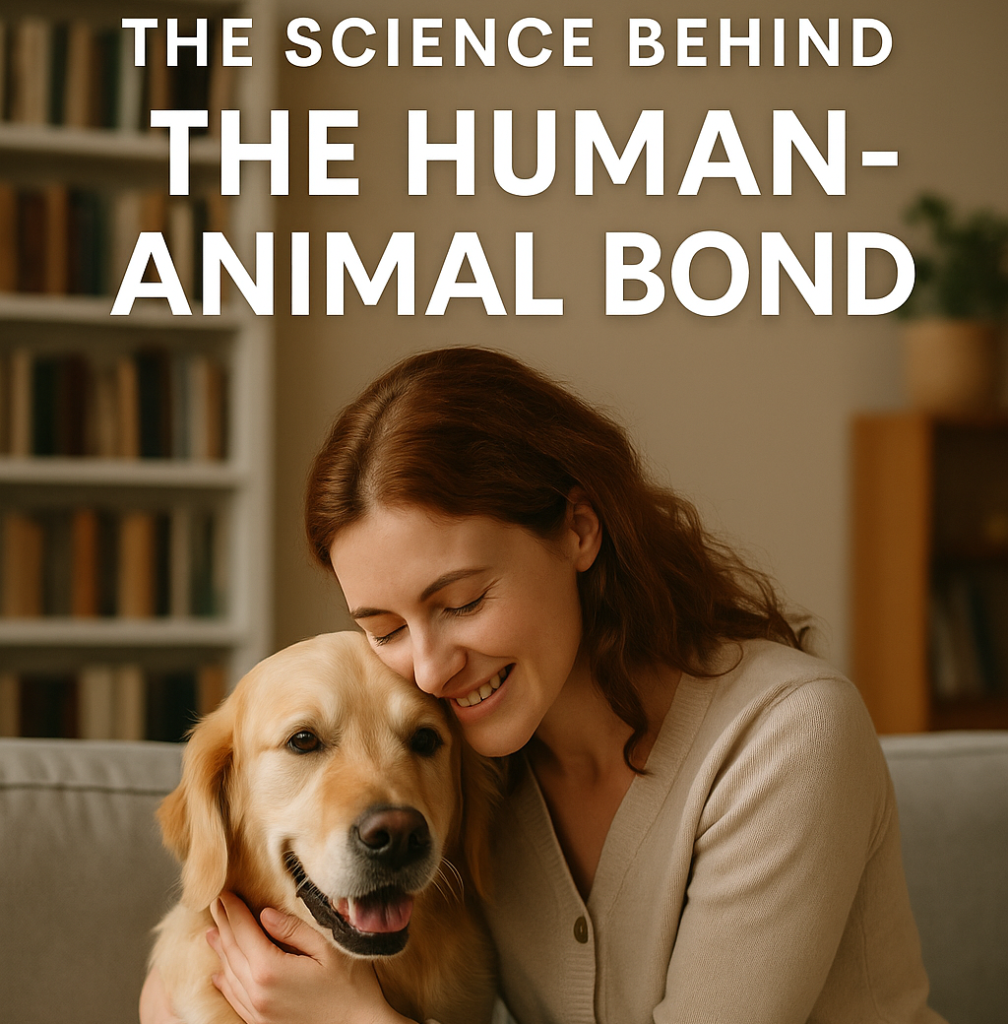
Have you ever felt calmer just by petting your dog or noticed your anxiety ease when your cat curls up beside you? You’re not alone. The connection between humans and animals is deeply rooted in science and psychology—and it’s far more than just affection. In this article, we explore the fascinating world of the human-animal bond, including how emotional support animals (ESAs), service dogs, and therapy pets can transform lives, especially for individuals facing mental health challenges.
Whether you’re considering getting an ESA, writing letters as a therapist, or just curious about how animals improve well-being, this guide will walk you through the scientific principles, benefits, legal insights, and practical takeaways behind the healing power of animals.
What Is the Human-Animal Bond?
The human-animal bond is defined by the American Veterinary Medical Association (AVMA) as “a mutually beneficial and dynamic relationship between people and animals that is influenced by behaviors essential to the health and well-being of both.” It’s not just a feeling—it’s a biological and psychological relationship backed by decades of research.
Key Characteristics:
- Mutual affection and trust
- Behavioral interdependence
- Emotional resonance and support
The Biology of Connection: What Happens in the Brain
Hormonal Effects
Spending time with animals has been shown to increase levels of:
- Oxytocin: The “love hormone” that fosters bonding
- Serotonin & Dopamine: Neurotransmitters that boost mood
- Endorphins: Natural painkillers and mood elevators
Reduced Cortisol
Studies have consistently shown that interaction with animals reduces cortisol, the body’s primary stress hormone. Lower cortisol levels lead to:
- Decreased anxiety
- Improved sleep
- Lower blood pressure and heart rate
Source: Frontiers in Psychology, 2020

Emotional Support Animals vs. Service Dogs vs. Therapy Animals
Understanding the distinctions is key, especially when it comes to legal protections and roles.
Emotional Support Animals (ESAs)
- Provide comfort simply through companionship
- Require a letter from a licensed mental health professional
- Protected under the Fair Housing Act (FHA), but not ADA
Service Dogs
- Trained to perform specific tasks for a person with a disability (e.g., seizure alert, guiding the blind)
- Protected under the Americans with Disabilities Act (ADA)
- Allowed in public spaces
Therapy Animals
- Visit hospitals, schools, or nursing homes for therapeutic purposes
- Not owned by the individual receiving support
- Not protected under FHA or ADA
Why Animals Heal: Mental and Physical Benefits
Mental Health Improvements
- Depression: Increased motivation and decreased feelings of loneliness
- Anxiety & PTSD: Calming presence, disruption of negative thought patterns
- Autism: Enhanced social engagement and sensory regulation
- Addiction Recovery: Reduced relapse rates when animals are involved in treatment
Physical Health Benefits
- Lower blood pressure
- Increased physical activity (especially with dogs)
- Reduced doctor visits among older adults with pets
Case Study: How One ESA Changed a Life
Sarah, a 32-year-old teacher diagnosed with generalized anxiety disorder, was prescribed an ESA letter for her rescue dog, Max. Within weeks, Sarah reported:
- Fewer panic attacks
- Better sleep
- More confidence in social situations
Her therapist documented measurable improvements in her mental health assessments. Sarah says, “Max didn’t just comfort me—he gave me my life back.”
How to Qualify for an ESA
Step-by-Step:
- Recognize a Need: Must have a diagnosable emotional or mental health condition (e.g., depression, anxiety, PTSD).
- Seek a Licensed Mental Health Professional (LMHP): This can be a psychologist, psychiatrist, counselor, or therapist.
- Get Evaluated: If you meet the criteria, the LMHP can issue an ESA letter.
- Use the Letter for Housing Protections: Present it to landlords to avoid pet restrictions or fees under the FHA.
? Note: Airlines no longer accept ESAs under DOT regulations, though psychiatric service dogs still qualify.
Tips for Strengthening the Human-Animal Bond
- Daily Play and Interaction: Stimulate both mental and physical health
- Consistent Routine: Builds trust and a sense of security
- Positive Reinforcement Training: Strengthens communication and respect
- Regular Health Checkups: Ensure your pet is well to continue offering support
- Mindful Moments: Meditate or relax with your animal nearby to reinforce calm associations
Frequently Asked Questions
Can any animal be an ESA?
Technically yes, but dogs and cats are most commonly accepted due to their social nature and adaptability in homes.
Do ESAs need training?
No specific training is required, but basic obedience is highly recommended for a better experience.
Can landlords legally deny my ESA?
Under the Fair Housing Act, landlords must make reasonable accommodations unless the animal poses a direct threat or causes substantial damage.
What’s the difference between an ESA letter and registration?
An ESA letter is the only legal document that protects your housing rights. Registration is optional and primarily serves as convenience and identification, but it holds no legal authority without a letter.
Conclusion
The human-animal bond is more than just a warm, fuzzy feeling—it’s a scientifically validated relationship with the power to improve lives. From easing anxiety to offering stability during life’s hardest moments, animals provide a type of support no medication or therapy alone can fully replicate.
If you’re considering an ESA or need help obtaining a legitimate ESA letter, National Service Animal Registry (NSAR) is here to help. We offer:
- Legally compliant ESA letters from licensed professionals
- Convenient registration kits
- Resources to educate and empower
? Start your ESA qualification today
? Share this article to raise awareness and help others discover the healing power of animals.