- What is an ESA letter?
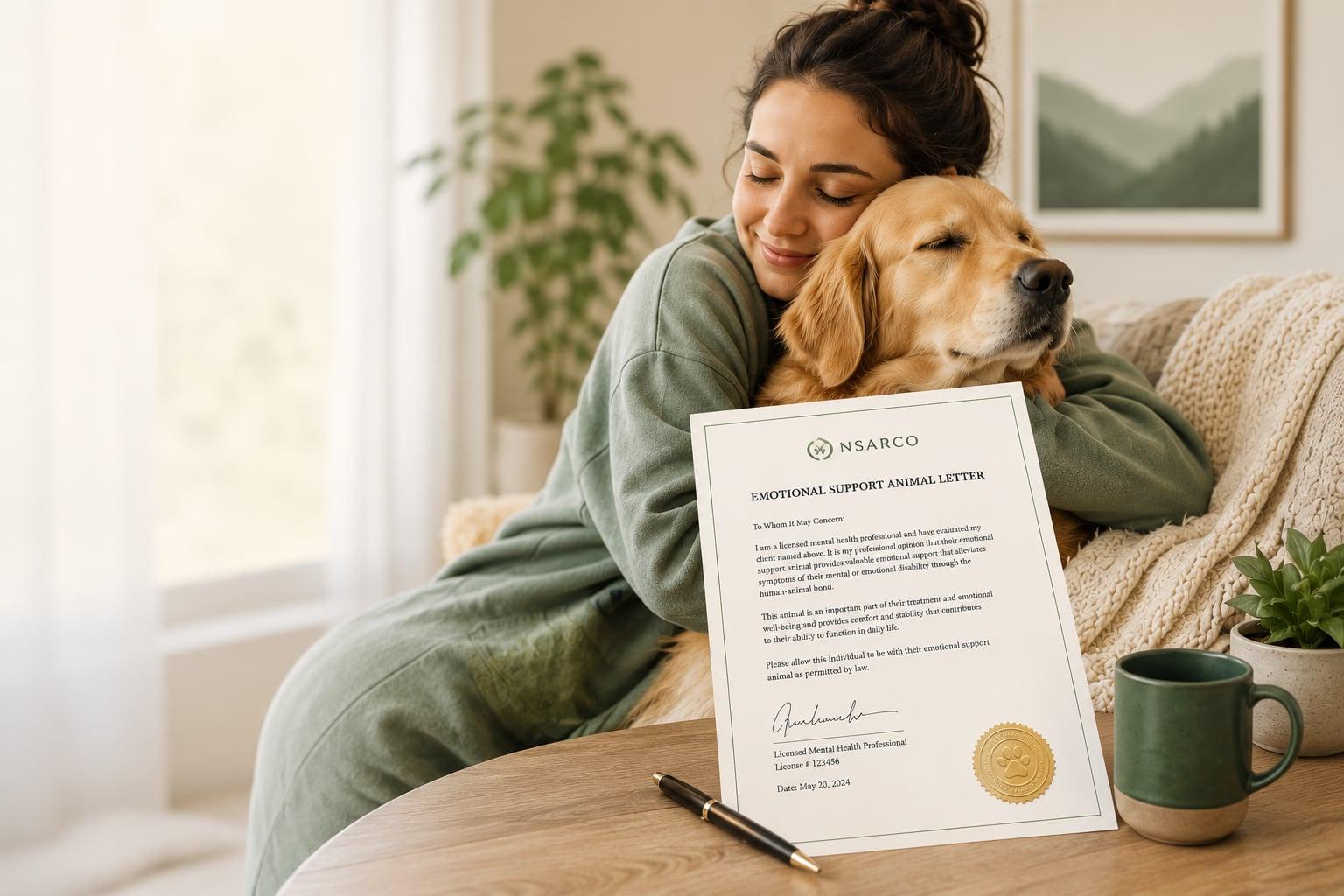
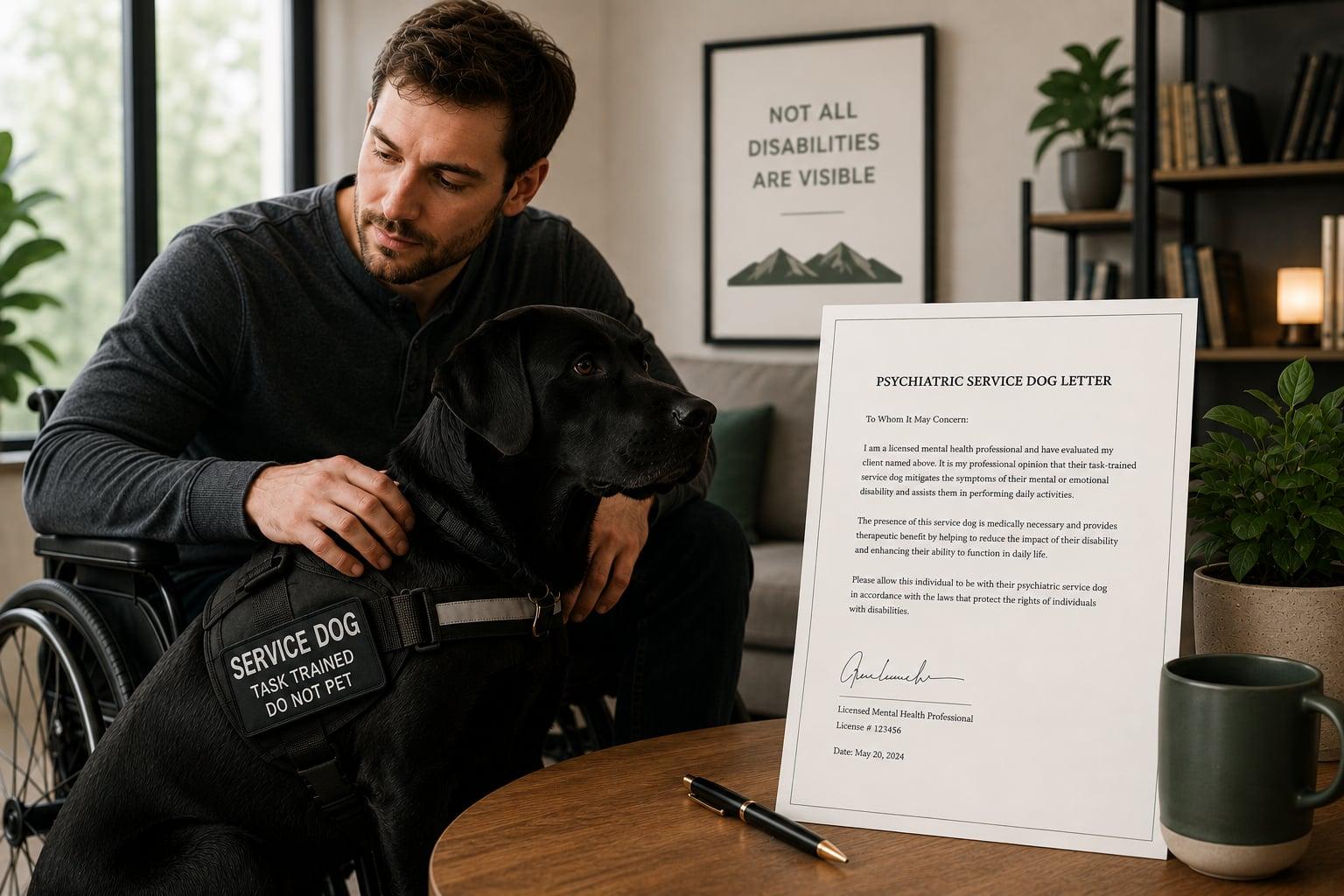
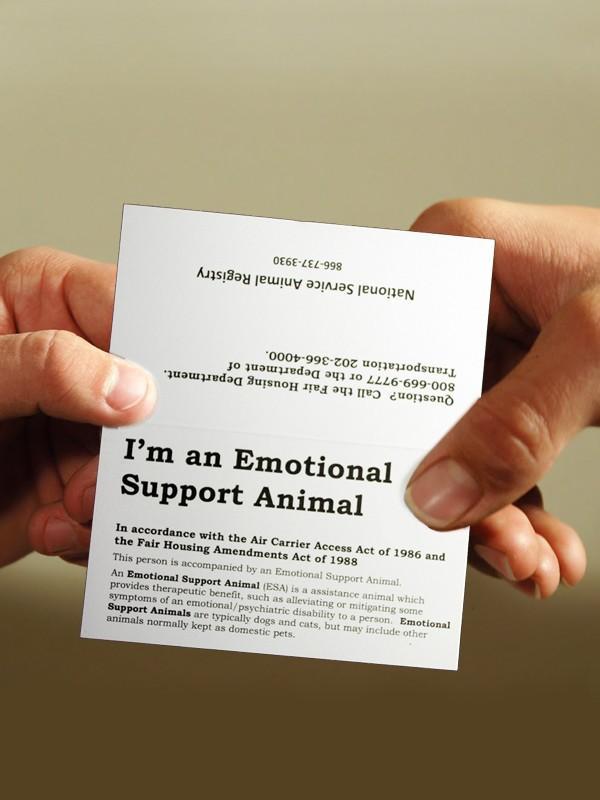
- An ESA letter is a document from a mental-health professional licensed in your state, stating you have a qualifying condition and that an emotional support animal is part of your treatment. It's what supports a housing reasonable-accommodation request under the Fair Housing Act — not a certificate and not a registration. At NSAR a licensed therapist reviews your intake and, when appropriate, signs it — usually within about a business day.
- Is there an official ESA certification?
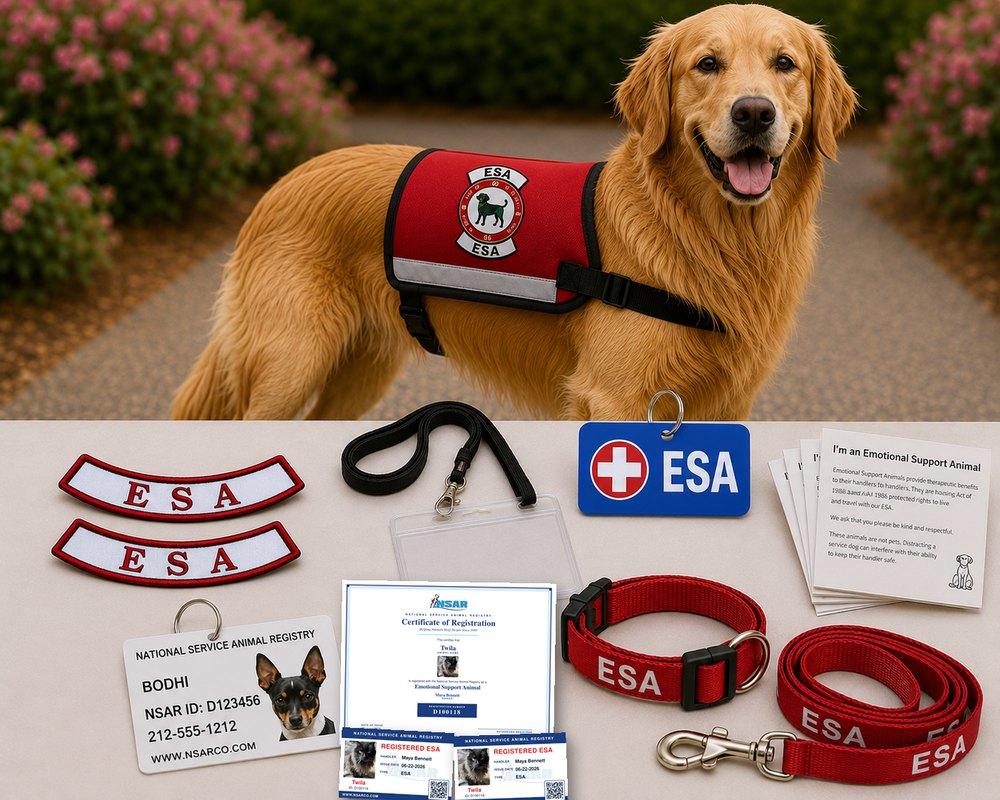
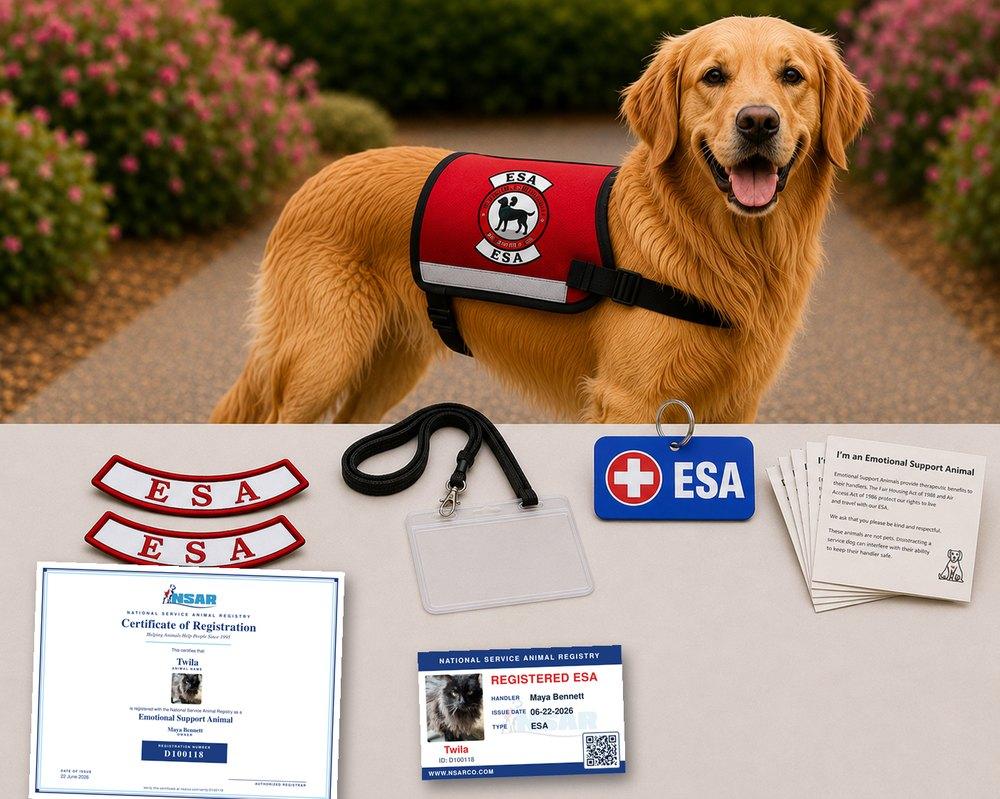
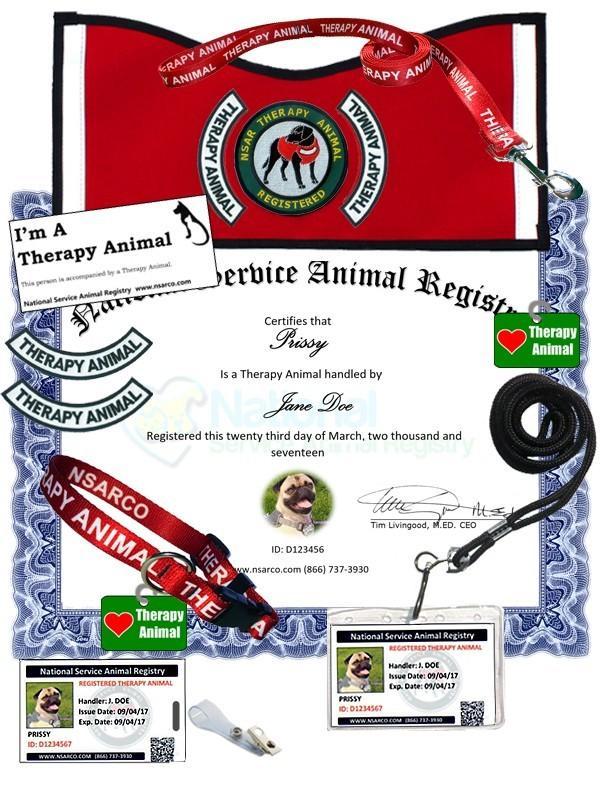
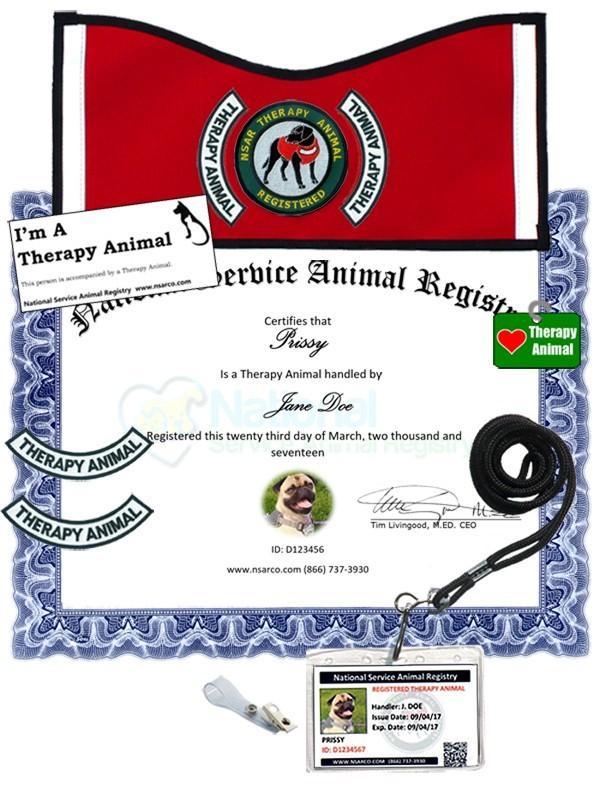
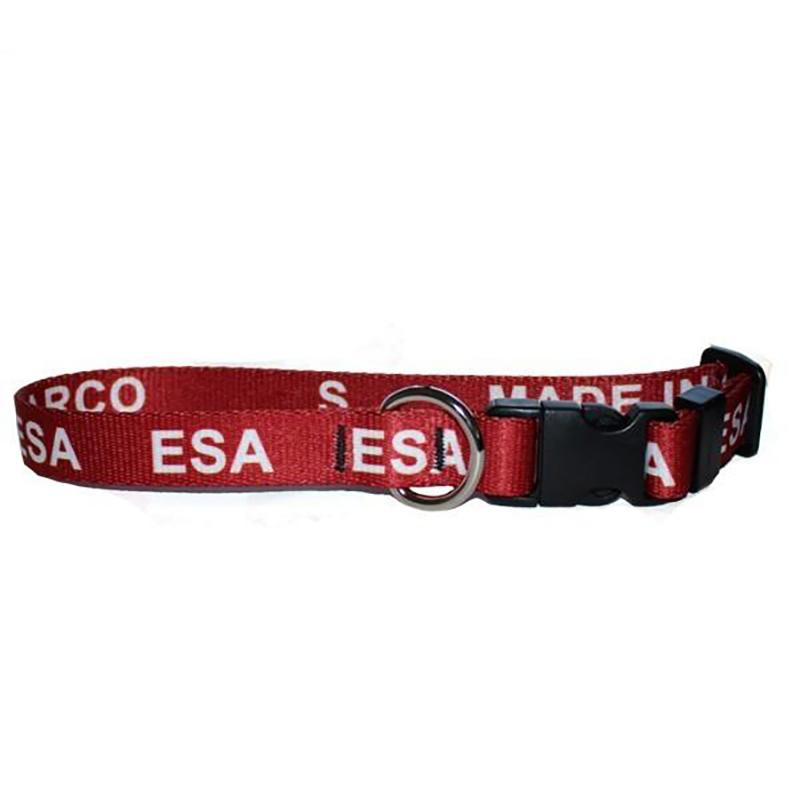
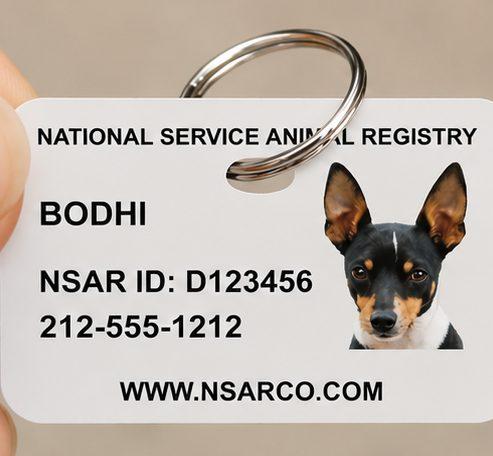
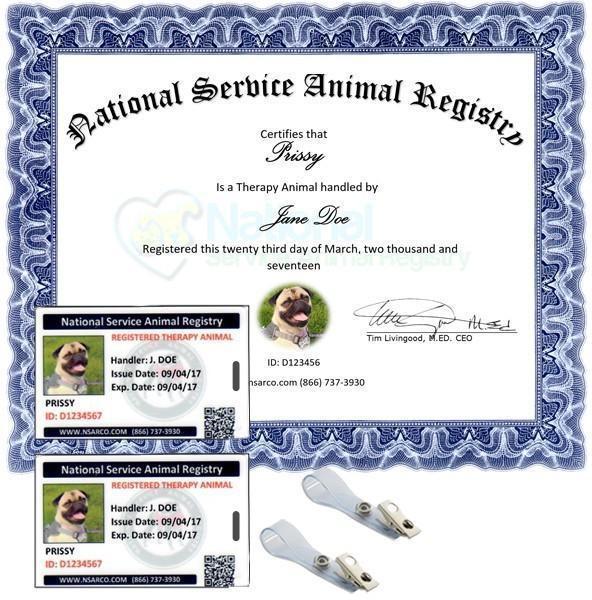
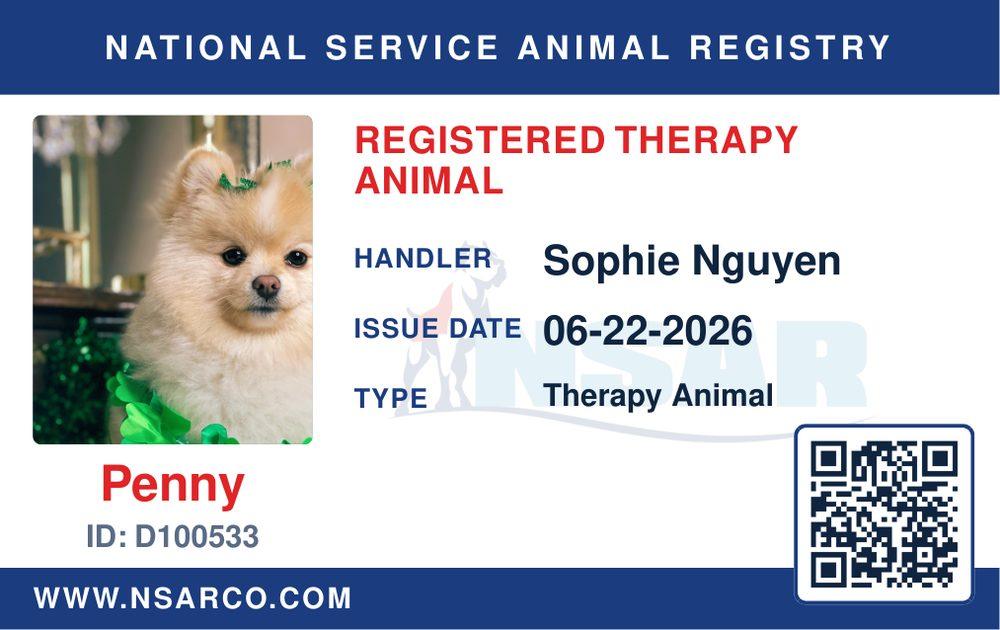
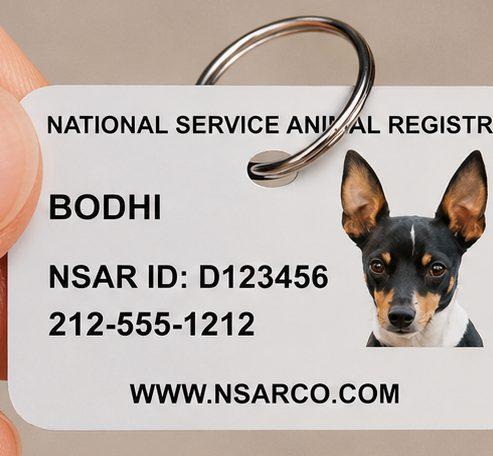
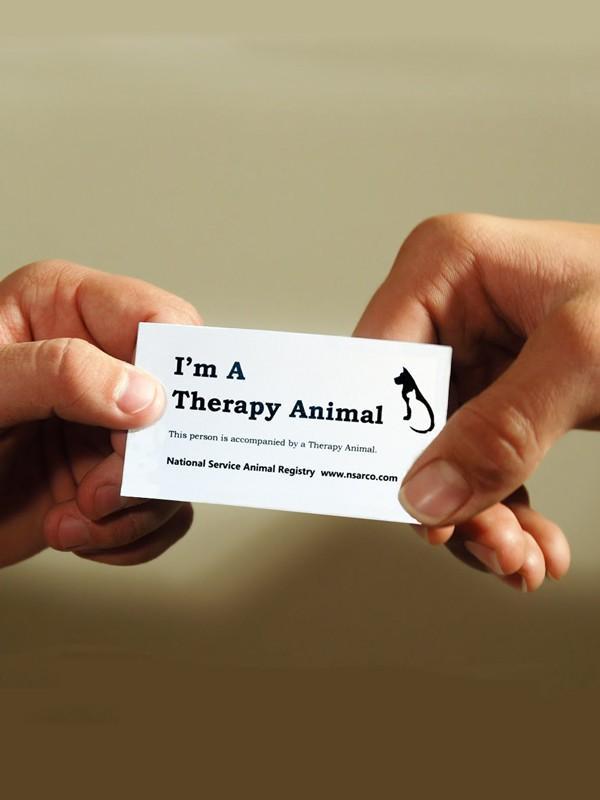
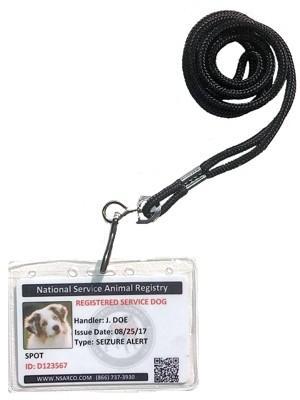
- No. There is no government ESA certification and no legal registry you have to join — “certification” is a common misnomer. The document that actually carries weight is the ESA letter. An ID card or certificate is an optional convenience for everyday identification, never a legal requirement.
- How do I get an emotional support animal, and who qualifies?
- Anyone with a qualifying mental or emotional condition — anxiety, depression, PTSD, panic disorder, and others — may qualify when a licensed clinician decides an emotional support animal is part of their care. You don't train or certify the animal: you complete a clinical intake, a therapist licensed in your state reviews it, and if it's appropriate they sign your ESA letter.
- Do I need to register my emotional support animal?
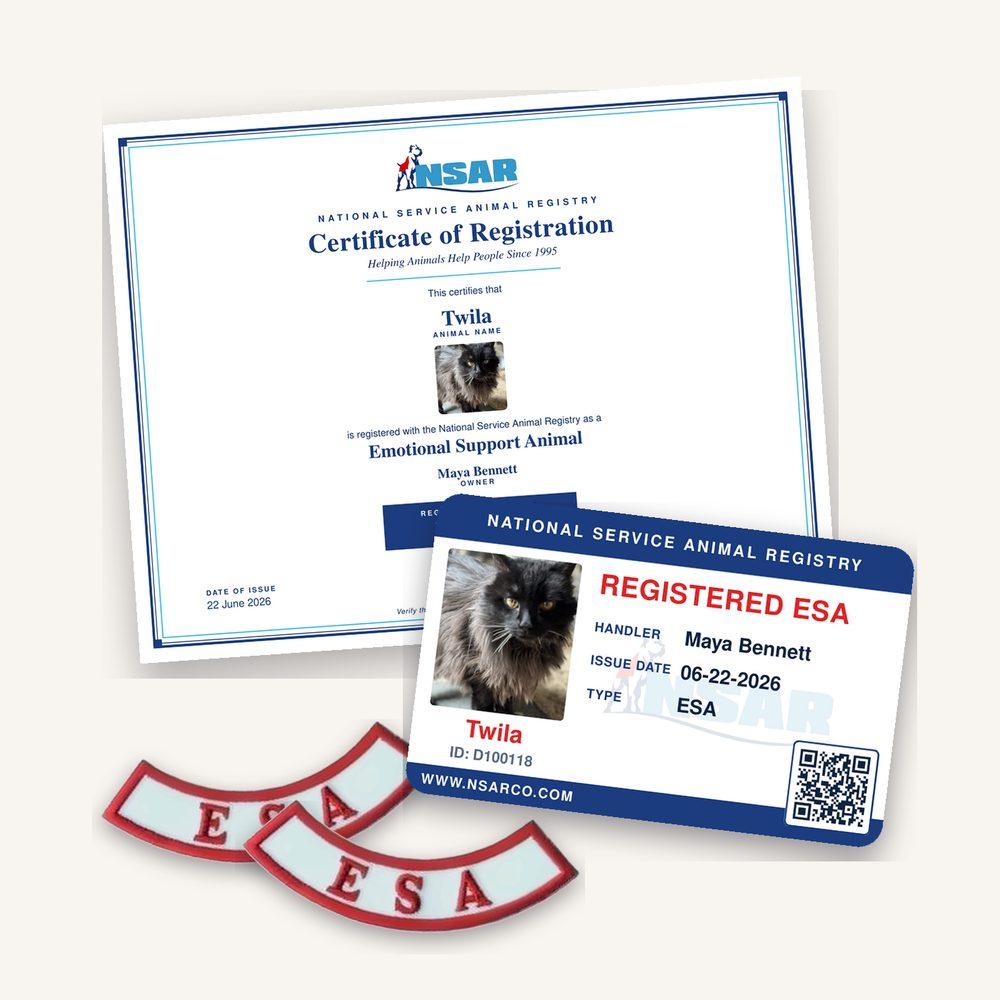
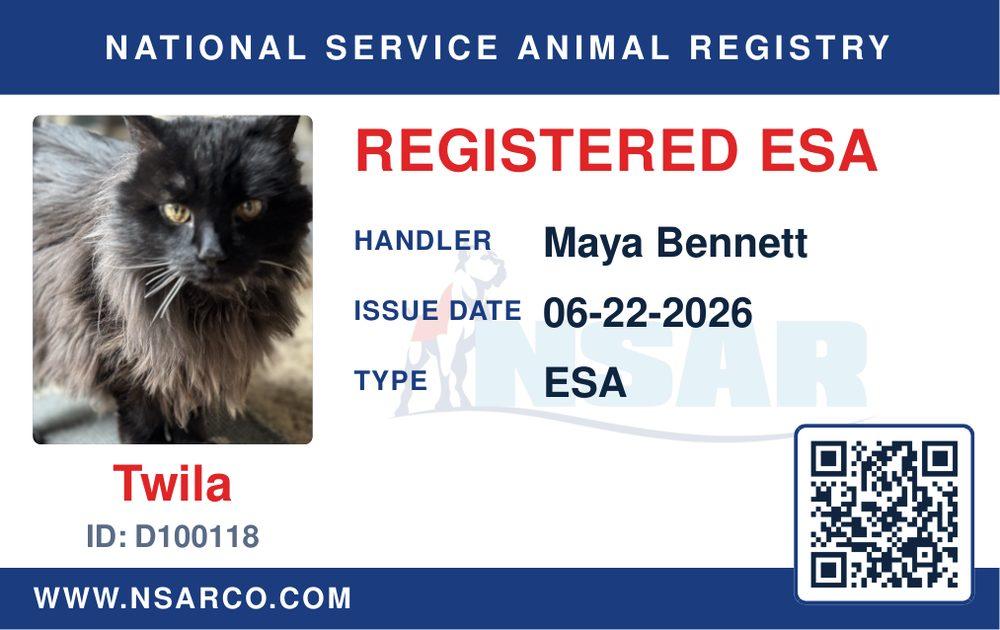
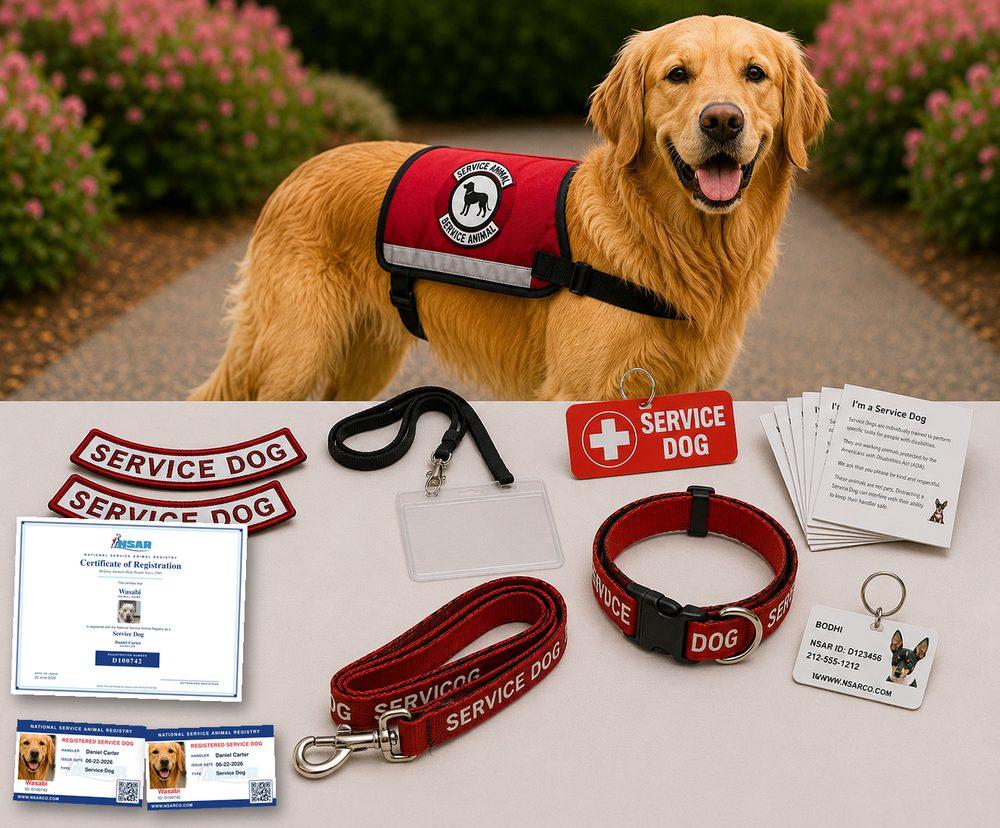
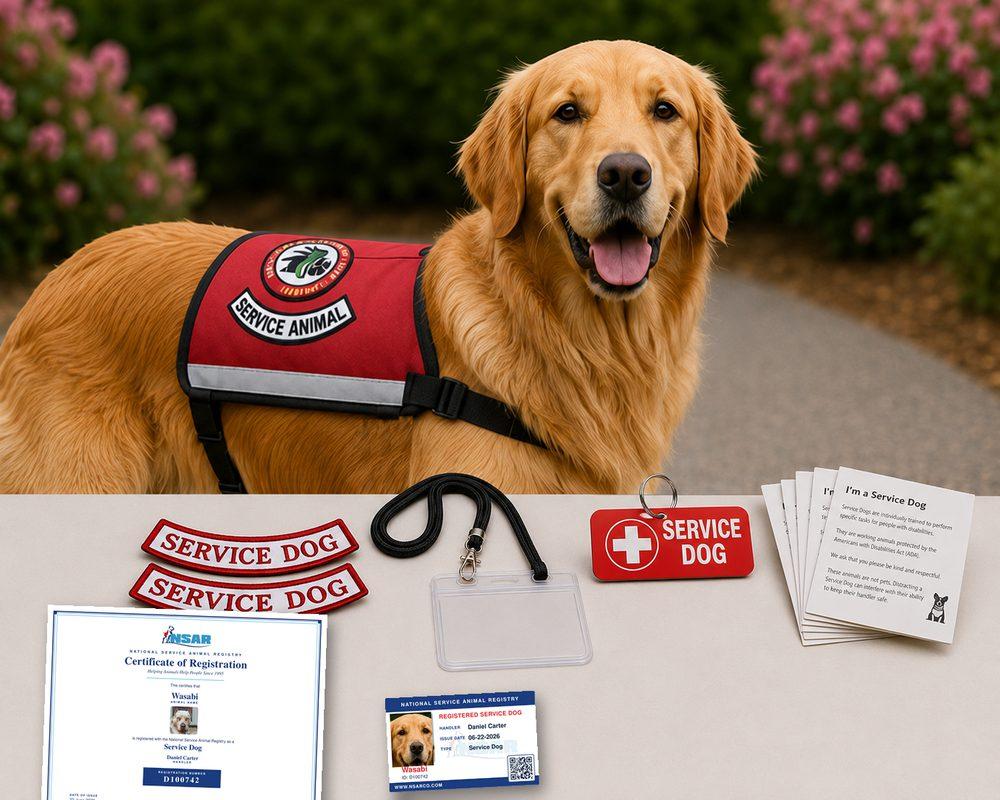
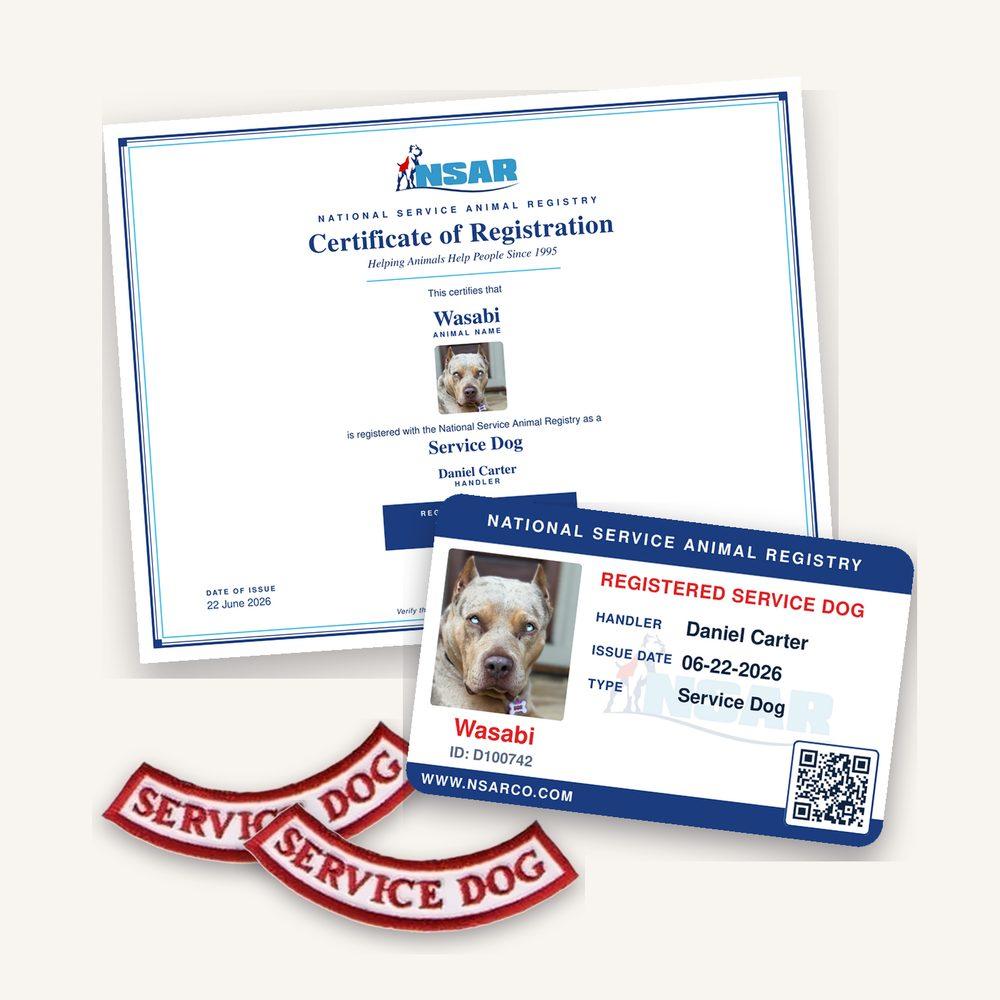
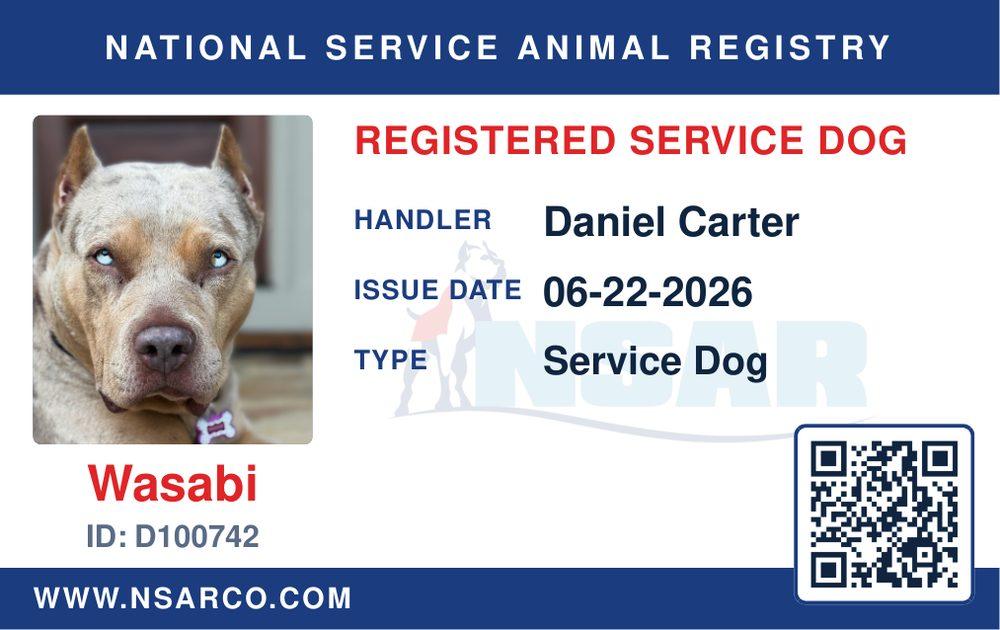
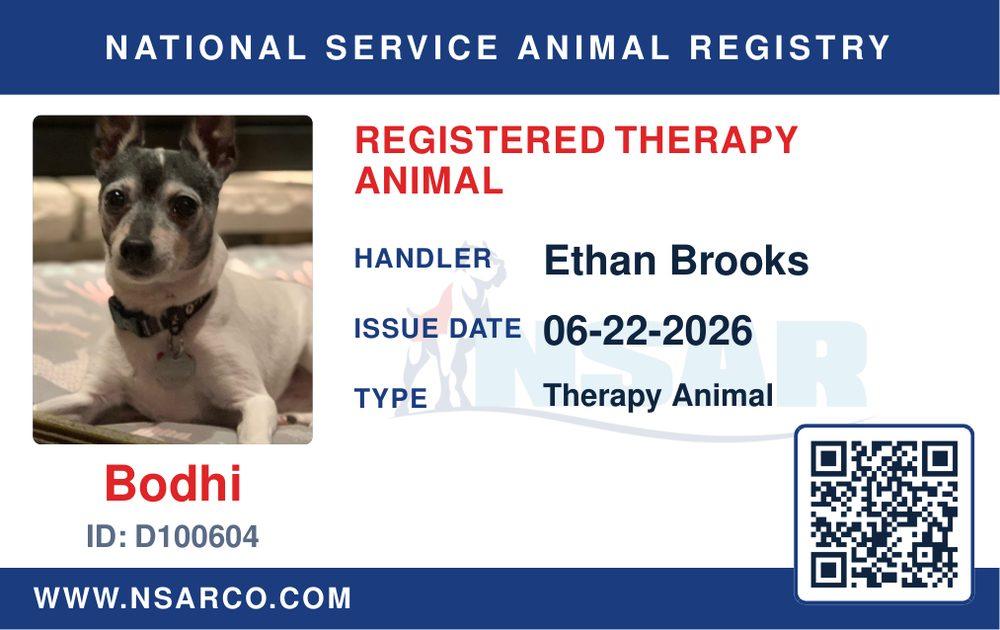
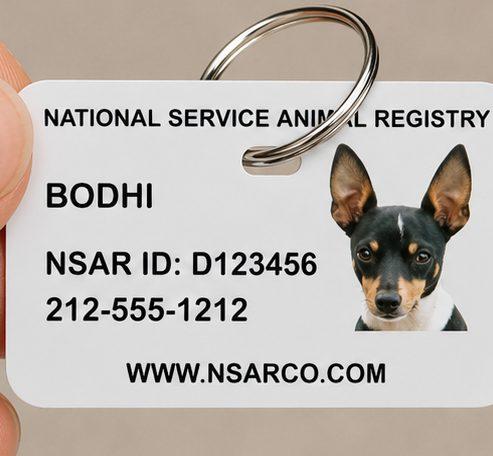
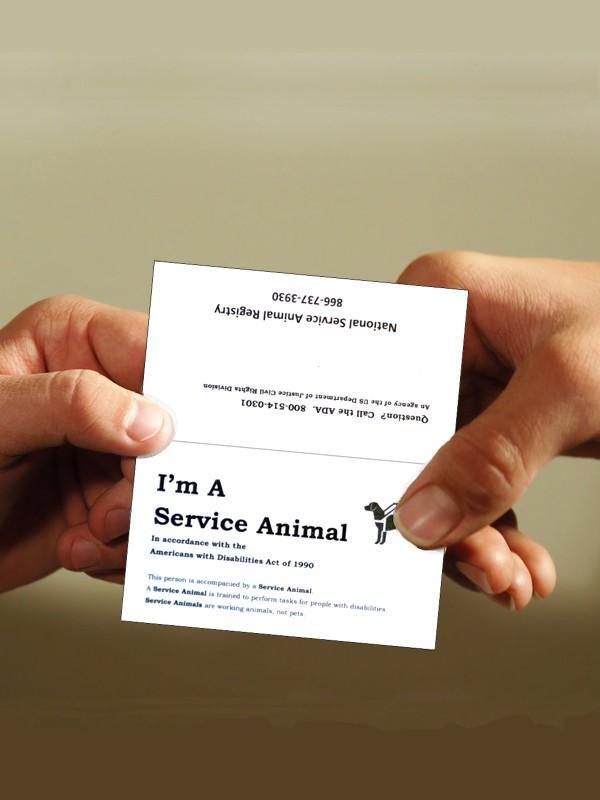
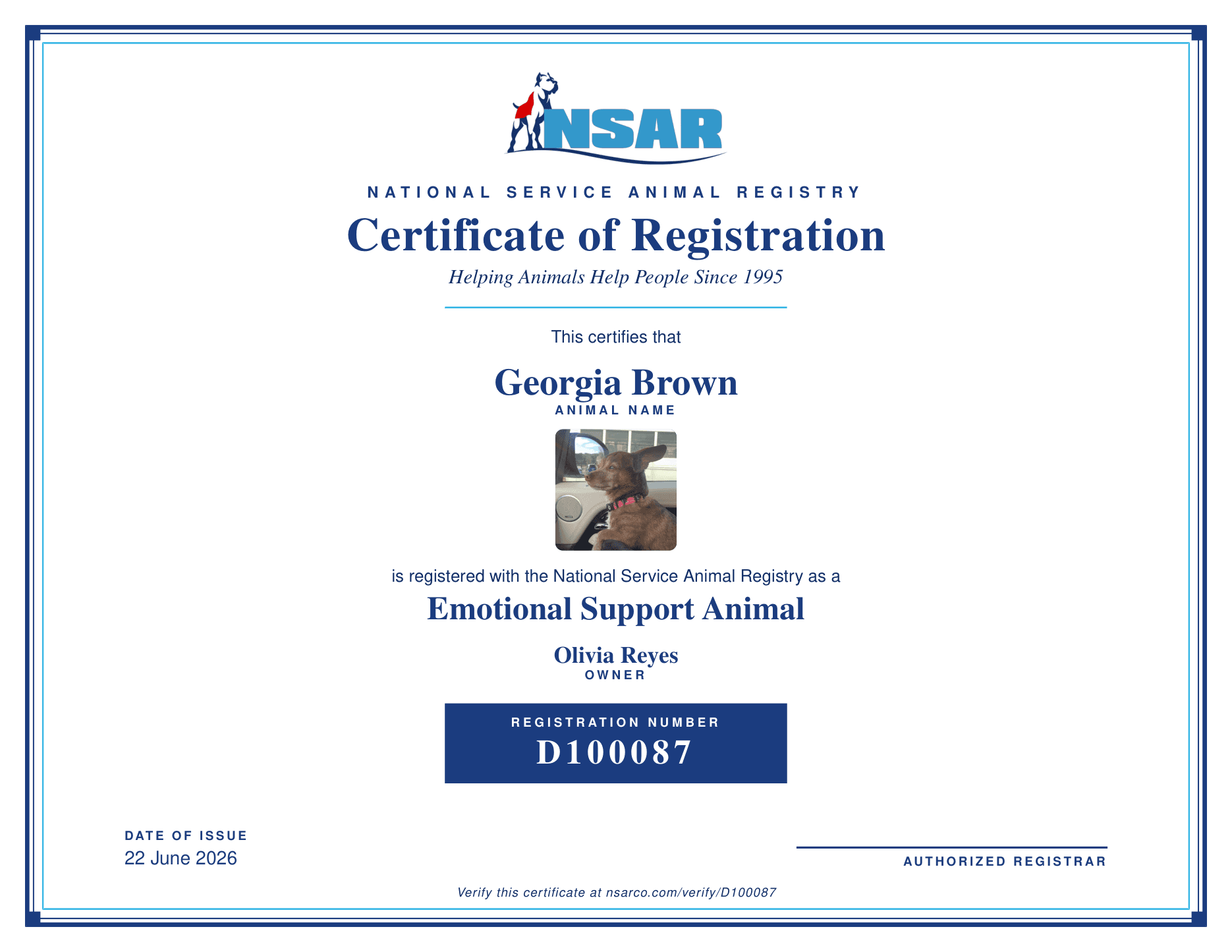
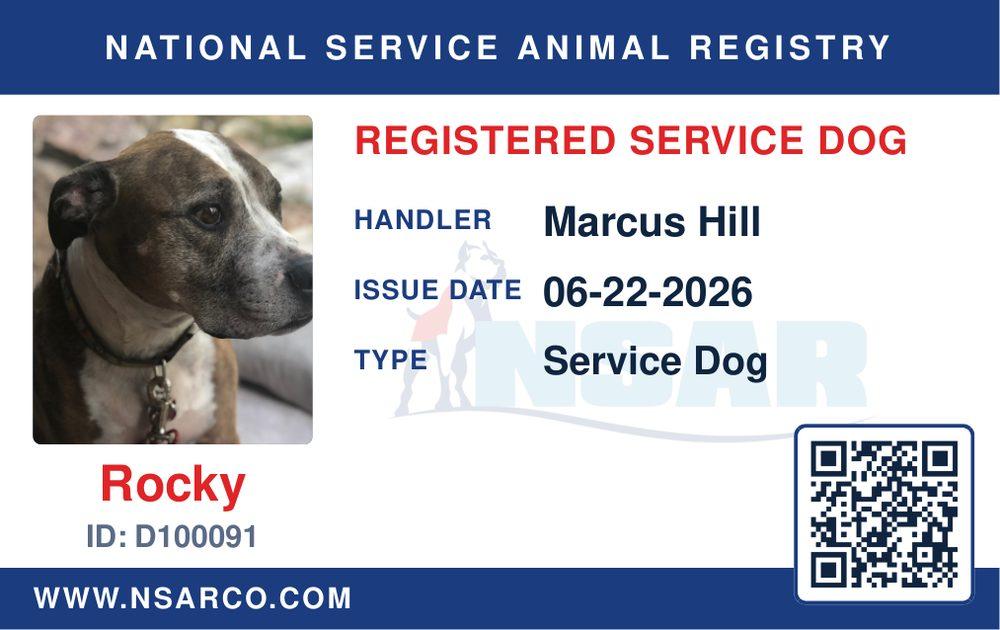
- No federal law requires it, and we'll never tell you it does. Registration — an ID card, certificate, and a verifiable number — is purely for convenience and identification. For housing, the ESA letter is what does the legal work, not a registry listing.
- How long does an ESA letter take, and what does it cost?
- Most assessments are reviewed and, when approved, signed within about a business day. An NSAR ESA letter is $179.95 — refunded if you're not approved, so you only ever pay for a letter you can actually use.